Key Takeaways
- A broadcast-quality conference requires a minimum of 3 cameras, a dedicated vision mixer, a broadcast-grade audio mix, and a graphics/lower-third system
- "Recording the conference on a phone on a tripod" is not broadcast-quality — the standard requires a professional camera team
- Broadcast audio (mixed separately from the PA mix) is the most commonly underspecified element of Indian conference broadcasts
- Lower-thirds (on-screen text identifying speakers, their name and title) are a broadcast standard that conference producers consistently forget to specify
- The broadcast-ready production adds ₹3–8 lakhs to the standard conference production cost — justified when the broadcast is distributed to more than 500 simultaneous viewers or recorded for professional use
Camera positions for conference broadcast
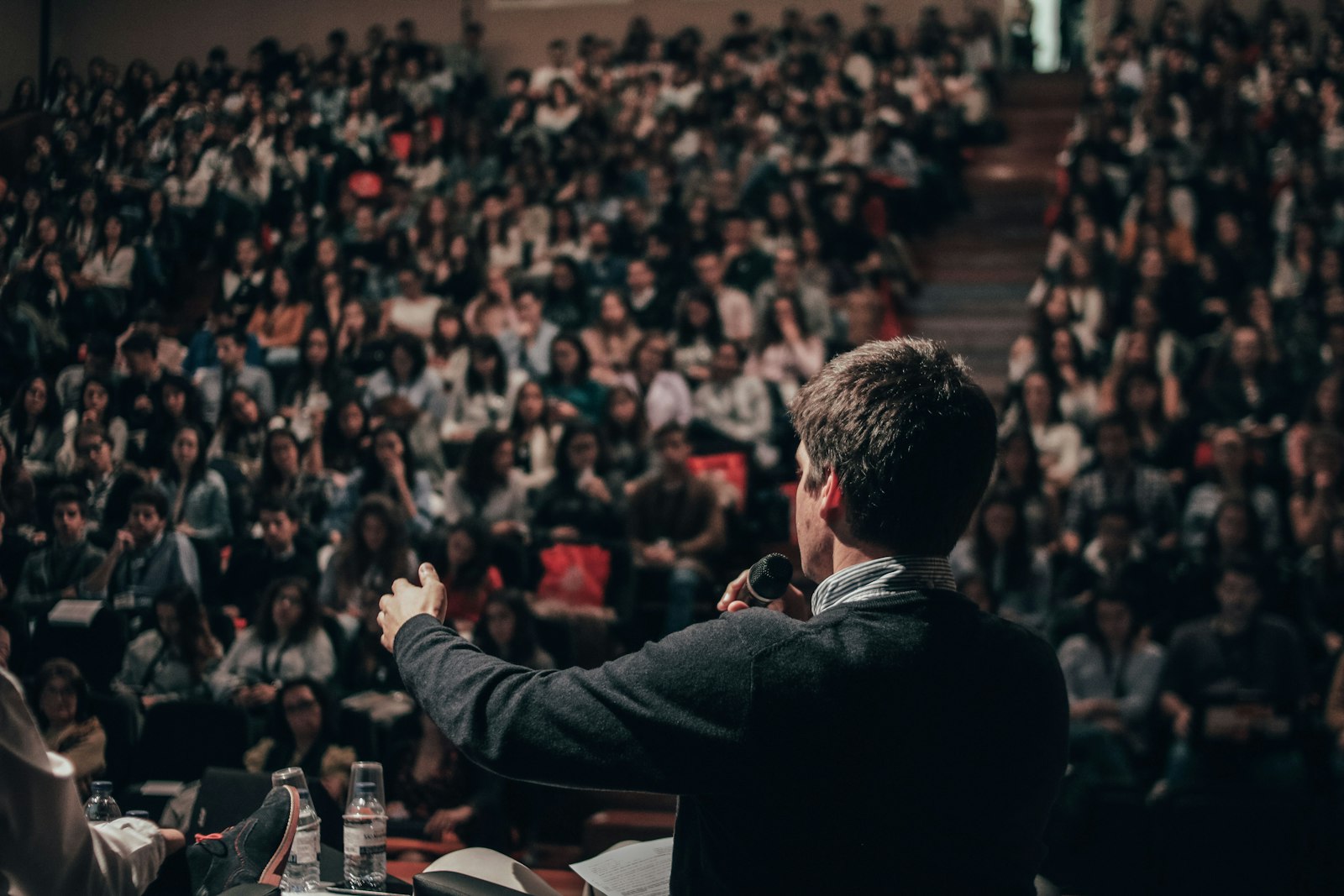
A broadcast-quality conference production uses three camera positions as a minimum: a wide establishing shot of the full stage (positioned at FOH level, showing the speaker in their production environment), a medium presenter shot (positioned to fill the frame with the speaker from the waist up, at a focal length that provides reasonable compression), and a panel shot (positioned to capture 2–4 panellists simultaneously). A fourth camera — a roving handheld for audience reaction shots and close-up detail — is standard for editorial-quality broadcasts. Camera operators must be briefed by the broadcast director on preferred angles, focus priorities, and the editorial story they are each responsible for telling.
Vision mixing and graphics
A vision mixer (hardware or software-based switcher that cuts between camera feeds in real time) is operated by the broadcast director, not by the show-caller. The two roles are complementary but distinct: the show-caller manages the live event's programme timing and cues; the broadcast director manages the editorial story told to the online audience. A lower-thirds system (graphics displaying speaker names, titles, and session information over the broadcast feed) requires a playout device and an operator — typically the same operator managing the presentation playback system. All lower-thirds must be pre-built and proofed before the event. Discovering a misspelled speaker name in the lower-third during the broadcast is a visible editorial error.