Key Takeaways
- Visa on arrival for Indian passport holders is straightforward — the surprise is the import process for production equipment
- Nusa Dua is for large conferences; Seminyak and Canggu are for smaller and more experiential programmes
- Production costs in Bali are 60–75% of equivalent Indian event costs — but only when procured locally
- Indonesian production companies are strong in AV but generally require supplementation for complex stage structures
- The six-month hotel peak season (July–August, November–March) compresses availability and raises pricing significantly
Why Indian companies keep choosing Bali
Bali's dominance in Indian outbound MICE is not difficult to explain: direct flights from Bangalore, Mumbai, Delhi and Chennai, visa on arrival for Indian passport holders, a well-developed resort infrastructure, genuinely exceptional food, and a natural environment that no Indian domestic destination can fully replicate. The cost argument is also real — a fully produced offsite in Bali for an Indian group of 80 people is typically 15–25% cheaper than an equivalent programme in the Maldives, and comparable to or less expensive than a high-end domestic destination like Coorg or Goa at the same production level.
What the cost comparison often misses: Bali's local production costs are substantially lower than India's. When procured through an established local production network, AV and staging in Bali runs at 60–70% of Bangalore rates. When procured through an Indian event company that is sub-contracting to local vendors without established relationships, the cost advantage disappears and the quality risk increases.
The venue landscape by zone
Nusa Dua: MICE infrastructure
This is Bali's purpose-built convention district — Grand Hyatt Bali, Sofitel Bali, Ayodya Resort, Conrad Bali and the Bali Nusa Dua Convention Centre all operate here. It is the right choice for groups above 200 pax requiring full conference infrastructure: dedicated meeting rooms, large ballrooms, professional AV teams and international hotel service levels. The trade-off: Nusa Dua is a gated resort zone, which means limited access to the Bali that Indian delegates travel to experience. Programmes that spend all three days on the Nusa Dua strip produce delegates who return feeling they could have been anywhere.
Seminyak and Canggu: Experiential
Villa buyouts, beach clubs, boutique hotels and creative venues. This is the right zone for groups of 30–120 pax who want a genuinely Balinese environment and are willing to programme around the zone's more limited conference infrastructure. The Katamama, The Layar, Alaya Resort — these properties provide outstanding environment for programmes that use Bali's unique landscape rather than reproducing a hotel ballroom experience in it.
Ubud: Leadership and wellness
Komaneka at Bisma, Alaya Ubud, Capella Ubud (for groups that can afford complete buyouts). Ubud's rice terrace and jungle environment makes it the natural choice for leadership retreats, senior team offsites and wellness-integrated programmes. Conference infrastructure is minimal — groups that need full conference rooms should not be here.
The six surprises
1. Equipment import is complicated
Indonesian customs requires advance documentation for all production equipment brought into the country, including AV equipment, staging and crew cases. The Indonesian Directorate General of Immigration website has the current visa on arrival details and the formal entry requirements for commercial visitors and performing artists. For events that require specialist equipment not available locally (certain console models, specific lighting fixtures), advance customs coordination through an established agent is required — typically a 4–6 week process. Productions that underestimate this discover the problem at Ngurah Rai Airport with equipment held in customs.
2. Local production is stronger than expected in some areas, weaker in others
Bali has strong local PA and lighting rental. It has limited structural staging capability for large formats. Indian production companies working in Bali for the first time typically supplement local AV with specialist staging from Singapore or their own Indian base, which adds freight and logistics cost that needs to be in the budget from the start.
3. Ramadan affects availability and pricing
Bali's working population is predominantly Hindu, which means Ramadan does not affect the island as significantly as mainland Indonesian cities. However, many of Bali's hospitality staff are from Lombok and Sumatra; the weeks immediately before and after Eid see staffing reductions that affect F&B service levels. This is a planning variable, not a disqualifier, but it should be in the programme design.
4. Traffic between zones is significant
Bali's road network does not scale with its tourist volume. Nusa Dua to Seminyak takes 45–90 minutes depending on time of day. Programmes that split activities between zones (conference at the hotel, gala at a beach club, activity at a water park) require transport logistics that add to cost and programme complexity. Design Bali programmes zone-by-zone, not as island-wide itineraries.
5. Venue exclusive vendor requirements
Many of Bali's larger hotels require event organisers to use specific exclusive or preferred vendors for catering, F&B and sometimes AV. This is standard in international hotel agreements and affects cost. Clarifying vendor exclusivity requirements in the venue contract negotiation — not after signing — is necessary to budget accurately.
6. Outdoor weather in October–November is less reliable than expected
The shoulder season (October–November) is widely marketed as the best time to visit Bali — and for individual travellers, it often is. For outdoor event production, October and November bring an increased risk of afternoon thunderstorms that can disrupt outdoor elements. Outdoor evening events should have wet-weather contingency planning for this period. Peak season (July–August, December–March) is more reliably dry for outdoor production.
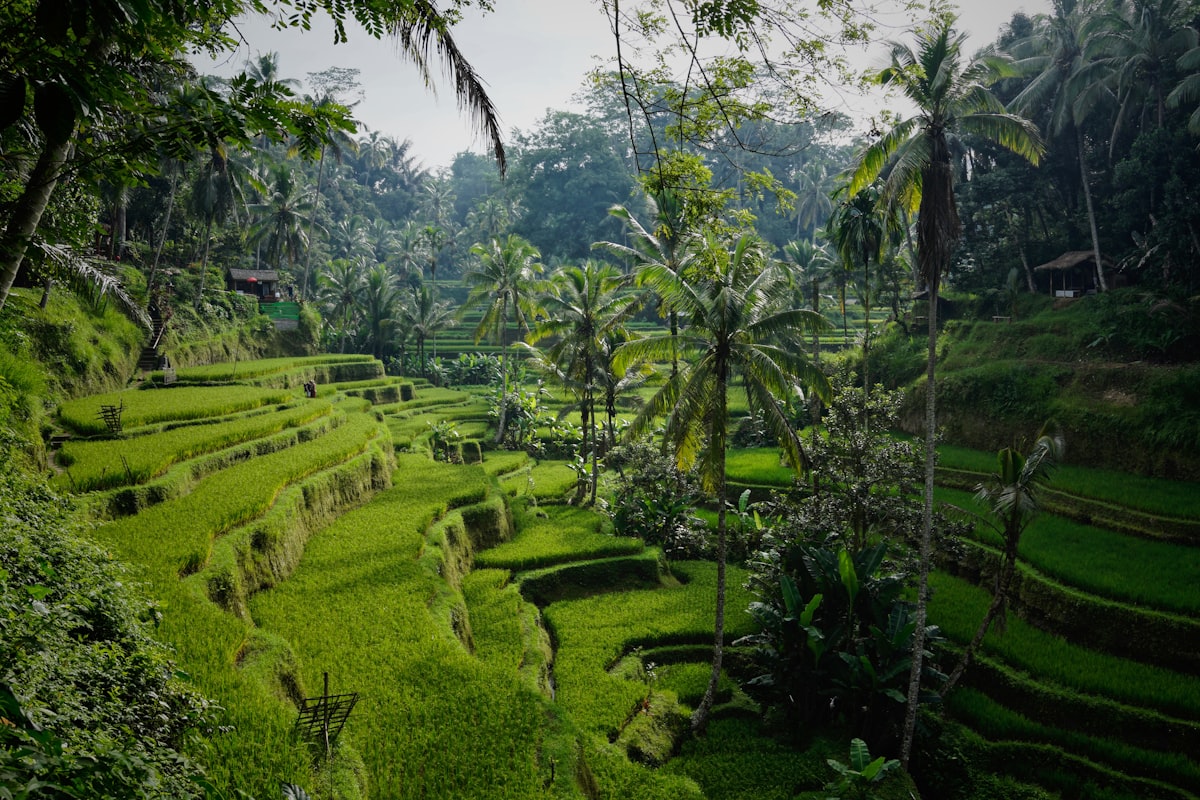 Bali's outdoor venues are exceptional environments for produced corporate events — but the production infrastructure requires more planning than a domestic Indian event.
How we approach Bali productions
Our Bali network has been built over multiple event cycles since 2021. We work with established local AV and logistics partners whom we have vetted across a range of event types, which means we can procure at local rates rather than tourist rates — and we know the customs broker who gets equipment through Ngurah Rai without drama. For Indian companies considering a Bali MICE programme for the first time, the value we provide is not logistics management. It is the established network that makes the cost and quality equation work.