Key Takeaways
- The ideal work-to-play ratio for a corporate offsite varies by purpose: strategy retreat (60:40), sales incentive (20:80), annual team building (40:60)
- The first evening is the most critical programme moment — it sets the social tone for the entire offsite
- Day 2 sessions produce the best quality thinking of any multi-day offsite — the group has settled, relationships are warm, and the cognitive distance from the office context is at its peak
- Over-programming is the most consistent error in offsite design — delegates need unstructured time to have the informal conversations that are the offsite's highest value
- The closing session should produce a tangible output — a set of commitments, a decision, or a document that the group can reference when they return
The programme architecture
Day 1: Arrival (afternoon), welcome session (brief, 45 minutes, sets the context and objectives for the offsite), first evening event (the highest-energy social moment of the programme — this is when relationships form, so the environment and activity must facilitate open interaction, not structured competition). Day 2: Morning working session (the cognitive peak of any multi-day offsite — schedule your most important programme here: strategy work, key decisions, high-stakes facilitation). Afternoon activity (physical, outdoor, uses the destination). Evening dinner (informal, designed for unstructured conversation — no speeches, minimal programme). Day 3: Morning session (lighter, output-oriented — what has been decided, what are the commitments, what happens next). Departure post-lunch. The pattern that consistently produces the highest NPS: heavy evening Day 1, substantive Day 2, light close Day 3.
The unstructured time case
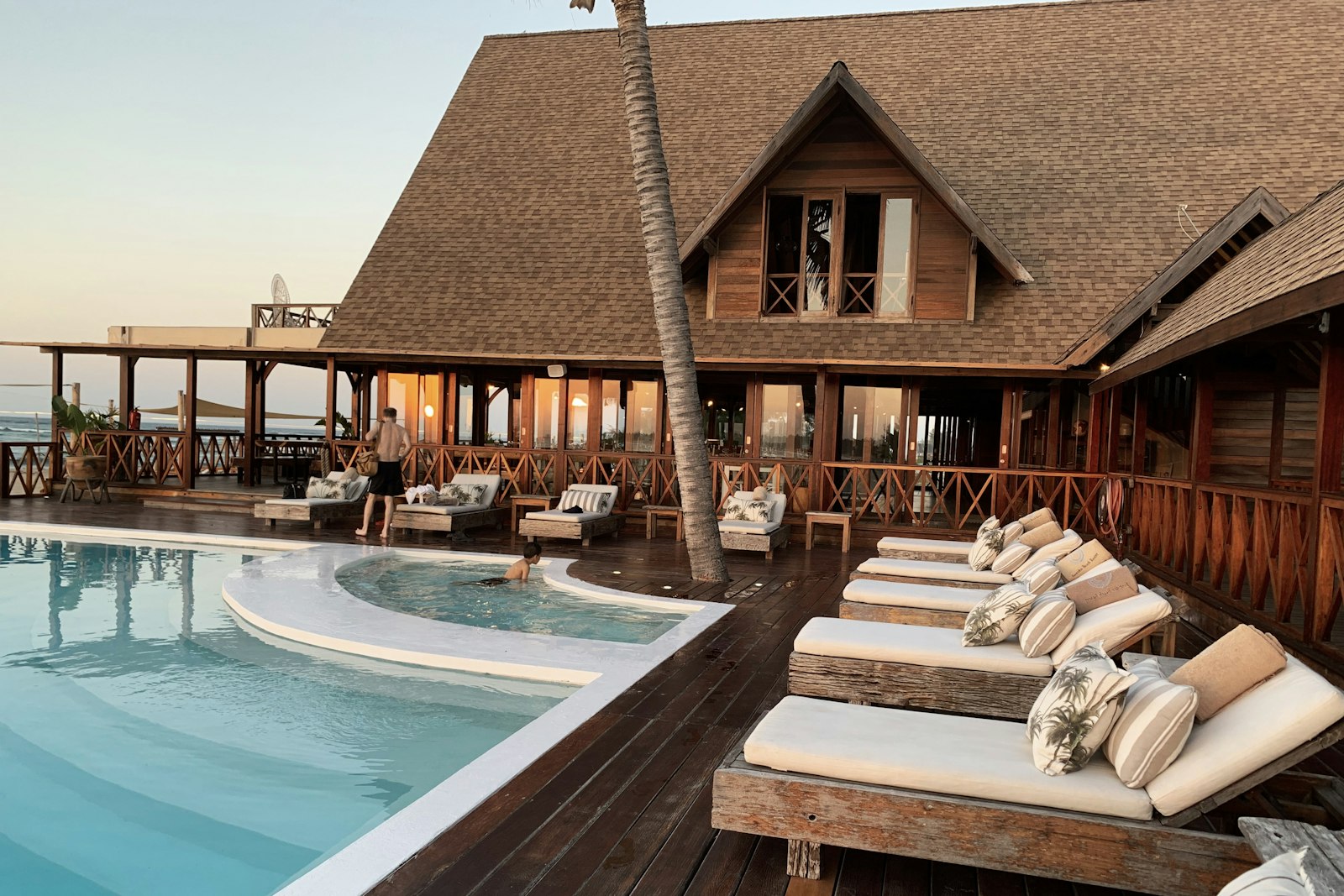
Over-programmed offsites — where every 30-minute block has a scheduled activity — produce delegates who feel managed rather than refreshed. The informal conversations that happen at the pool, during a spontaneous walk, or over a second drink at the bar are frequently cited in post-offsite feedback as the programme's most valuable moments. They are not scheduled. They require unstructured time to occur. An offsite programme that allocates 3–4 hours of genuinely unstructured time per day — not "free time to catch up on email," but genuine physical presence in a shared environment with no scheduled obligation — produces a different quality of relationship formation than one that schedules every hour.