Key Takeaways
- The peak production window for Goa offsites is mid-October through February — not just December
- Buyouts are more cost-effective than room blocks for groups above 80 pax at the right properties
- The production layer — staging for evening events, AV for sessions, beach concert setup — is what lifts an offsite above a hotel package
- North Goa and South Goa have different venue ecosystems; the choice is a production decision
- Permit lead times for outdoor events in the coastal zone require 6–8 weeks minimum
Why Goa is not the default it used to be — and why it is still often correct
Goa has been India's default corporate offsite destination for fifteen years. That familiarity has produced two things: a well-developed event infrastructure that is genuinely useful for producers, and a tendency for Goa offsites to feel identical — same resorts, same gala dinner in the same ballroom, same team activity on the same beach. The question is not whether Goa is a good destination (it is) but whether the offsite is designed to use what Goa specifically offers, rather than a generic resort package that happens to be in Goa.
The offsites that work in Goa are the ones designed around the location's specific assets: the outdoor light in October and November, the beach after sunset, the fort venues in Panaji and Chapora, the restored Portuguese houses in Fontainhas. When an offsite brief specifies "beach sunset cocktails" as a programme element, it is using Goa correctly. When it specifies "poolside gala" — that is a programme element available at any resort in India.
The venue landscape
North Goa: Energy, access, infrastructure
The Leela Goa, ITC Grand Goa, Taj Holiday Village, Grand Hyatt Candolim and the W Goa are the production-ready 5-star options in North Goa. The advantage here is infrastructure density — multiple properties with professional events teams, decent AV (supplementable) and outdoor space that works in the dry season. The disadvantage is relative exposure to North Goa's tourism traffic; peak December brings crowds that affect delegate experience outside the property.
For smaller groups (40–100 pax), the boutique villa market in Vagator and Siolim offers buyout options that feel genuinely different. Properties like Sublime Sama, Ahilya by the Sea and Morjim's smaller boutique resorts give groups privacy and atmosphere that a standard hotel room block cannot.
South Goa: Space, quiet, beach quality
Taj Exotica, Alila Diwa and the Zuri White Sands anchor South Goa's corporate market. The beaches are better (Mobor, Cavelossim), the crowds are thinner and the production infrastructure at Taj Exotica specifically is among the best in Goa — the property has handled large events long enough that their events team understands what an external production company needs. South Goa adds 45 minutes transfer time from the airport, which is a programme and logistics variable but rarely a dealbreaker for groups that are staying multiple nights.
The seasonal reality
Goa's peak corporate season is November–February. December commands peak pricing and reduced availability. What corporate buyers underuse is October and the first half of November — temperatures are still manageable, the monsoon has cleared by mid-October in most years, beach use is possible, and pricing at most properties is 20–35% below December rates. If the date is flexible, mid-October to mid-November is often the best production window in terms of light quality, price and availability.
July and August are operationally difficult for anything outdoors. The monsoon is beautiful but it is not a production environment. Indoor-only formats work, but Goa's attraction is largely the outdoors.
The production layer
Most Goa offsites are under-produced. Not in the sense of over-engineering — in the sense that the elements that would use the location are handled by the resort's in-house events team rather than a production company with the infrastructure to execute them properly. The evening event on the beach — the thing everyone remembers — typically gets a sound system sourced from a local rental company, a stage that wobbles in the sea breeze and a lighting rig that does not account for the wind. The gap between what that evening could be and what it is costs less to close than most briefs assume.
The specific production interventions that consistently raise Goa offsite quality:
- A proper beach sound system — Line arrays on scaffold towers, positioned for the wind direction at that time of year, with a live sound engineer. Not a speaker rental.
- Stage anchoring — A structural stage on sand requires specific anchoring; venue-supplied stages often don't have it.
- Tent or canopy production — Not a marquee, a production tent with appropriate ceiling height for AV and lighting integration.
- Programme design for the outdoor evening — This is distinct from the catering brief. The sequence, the lighting states, the entertainment integration, the delegate flow into and out of the space — this is a production responsibility, not a venue responsibility.
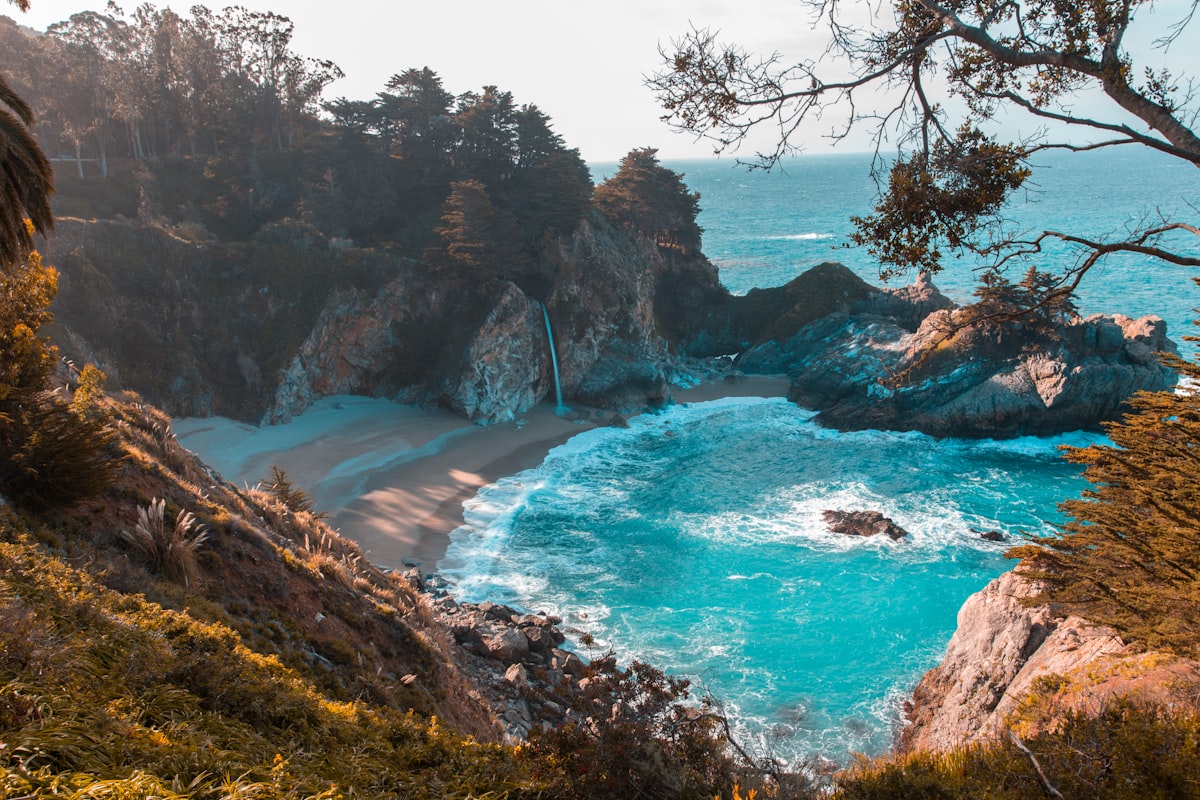 Outdoor beach events in Goa work when the production infrastructure is designed for the environment — not adapted from an indoor production kit.
Permit timelines
Outdoor events in the coastal regulation zone in Goa require clearances from the local panchayat, the Goa Coastal Zone Management Authority and (for amplified music above certain hours) from the local police. The Goa Tourism Department publishes current event permit guidelines and the approved operator list for coastal zone events — worth reviewing before engaging any local production partner. The combined lead time for these clearances, when pursuing them properly, is six to eight weeks minimum. Production companies operating in Goa regularly have permit contacts that compress this — but "I'll handle the permits" should be a deliverable in any production contract, not an assumption.
What makes the difference
The Goa offsites that group members remember are the ones designed around a specific evening moment — a sunset concert on a private beach, a gala in a restored Portuguese fort, a dinner under Goa's specific November sky. That moment does not happen by itself. It requires someone to decide it is the centrepiece, to build the production around it and to defend it when the catering upgrade proposal arrives. Production companies who work in Goa regularly know what is possible. The ones who don't often discover that the beach is narrower than the satellite image suggested, at 2am on load-in day.