Key Takeaways
- Star rating and flight time are the two least useful criteria for MICE destination selection
- Production infrastructure — AV rental quality, structural staging availability, local crew depth — is the first criterion to assess
- Permit complexity varies more between destinations than most buyers assume
- Cost-per-head comparisons without logistics costs included are meaningless
- The delegate experience delta — what this destination offers that a hotel conference room in Bangalore cannot — should drive the format, not the venue shortlist
The criteria that get evaluated first (and shouldn't)
Most MICE destination shortlists are built around two variables: star rating and flight time from the originating city. Both are relevant at the margin — a 6-hour connection for a 2-night offsite is poor planning, and a property with no professional events team is a risk. But as primary selection criteria, they are the wrong starting point. The questions that determine whether a MICE destination can actually deliver your event at the required standard come earlier in the evaluation, and they have nothing to do with the hotel's TripAdvisor score.
Criterion 1: Production infrastructure depth
The first question for any destination is: what production infrastructure is locally available, and what do you have to import? This covers AV rental quality (PA systems, LED walls, control consoles), structural staging, lighting equipment, and local crew experience with produced corporate events. Goa has deep production infrastructure built over 20 years of corporate events — PA suppliers with broadcast-quality inventory, staging companies with complex rigging capability, experienced show-callers. A comparable resort in Oman may have identical star-rated accommodation and a nicer pool, but require you to freight the entire production from Dubai or Bangalore, adding 30–40% to the production budget before you've booked a single speaker.
For international destinations, the question is whether the local market has the technical depth to supplement what your production company brings, or whether you're sourcing everything remotely. Bali, Thailand and Sri Lanka all have usable AV rental markets. Many other destinations marketed to Indian MICE groups do not.
Criterion 2: Group access and logistics
Group logistics — how your delegates get from origin city to property, what transfers look like, how luggage is handled — determines delegate experience before the event begins. A property that requires a 90-minute car transfer from the airport after an international flight is a property that starts the programme with tired, irritable delegates. The logistics question is not just about distance; it's about the quality and reliability of the transfer infrastructure. Road conditions, traffic predictability, ferry requirements for island venues, and the availability of group vehicle operators of adequate quality all belong in a destination assessment.
Criterion 3: Venue and space flexibility
Conference venues, outdoor event spaces, breakout room availability, and the property's willingness to allow external production companies to operate within their space. Many resort properties in MICE destinations have standard agreements with exclusive in-house vendors. Understanding the exclusivity structure before you shortlist a venue prevents the mid-negotiation discovery that you cannot bring your own AV supplier, or that the outdoor space requires purchasing F&B at the property's rates as a condition of access. This is not unusual — it is standard — but discovering it after you have presented the venue to stakeholders is a problem that is entirely avoidable.
Criterion 4: Permit and regulatory environment
Outdoor events, amplified music, coastal zone use, and alcohol service all attract regulatory requirements that vary significantly between destinations — and between cities within the same country. Goa's coastal zone permit requirements add 6–8 weeks to outdoor event lead times. Certain Thai island venues have noise ordinances that effectively prohibit outdoor events after 11pm. Sri Lanka's event permit process is straightforward. Indonesia's equipment import requirements for production gear require advance customs coordination. None of these are disqualifiers, but all of them affect your production timeline, your programme design and your contingency planning. They belong in the destination assessment, not the week before load-in.
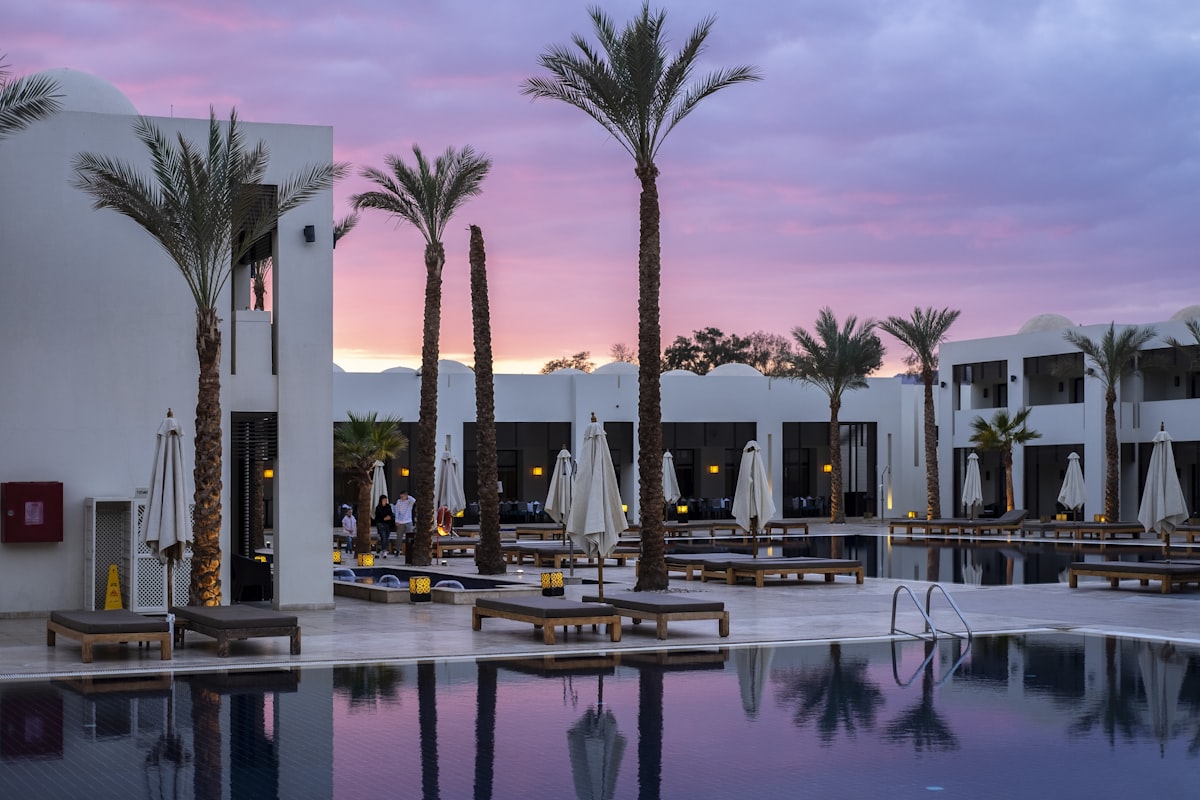 The permit environment and outdoor space flexibility of a destination affect production format decisions as much as the venue's physical attributes.
Criterion 5: Full cost structure
Per-head accommodation and F&B comparisons between destinations are the most common input into MICE destination decisions and the most misleading. The accurate comparison includes: airfare (group rates from your origin city), ground transfers, production supplementation cost (what you can source locally versus what you must bring), local regulatory costs (permits, compliance, insurance), and F&B at production-appropriate venues versus room-rate F&B. When you run this full cost model, destinations that appear more expensive on accommodation often become competitive, and vice versa. We have run events in Bali that cost less per head than comparable events in Goa when the full model was run, and we have seen the reverse.
Criterion 6: The experience delta
The last question, and the one that justifies the cost of leaving India at all: what does this destination give your delegates that a hotel conference room in Bangalore cannot? If the answer is "a nicer pool and better weather," that is not an adequate justification for the logistics cost of an international MICE event. If the answer is "a genuinely different physical environment that resets cognitive context and makes the programme feel consequential" — a specific quality that Bali's rice terraces, Goa's coastal light, or Thailand's island venues deliver — then the destination is earning its production cost. Design the programme to use the delta, not to ignore it.
Once you have these six criteria assessed, run our destination comparison across 12 options to see how your shortlist stacks up on each dimension.