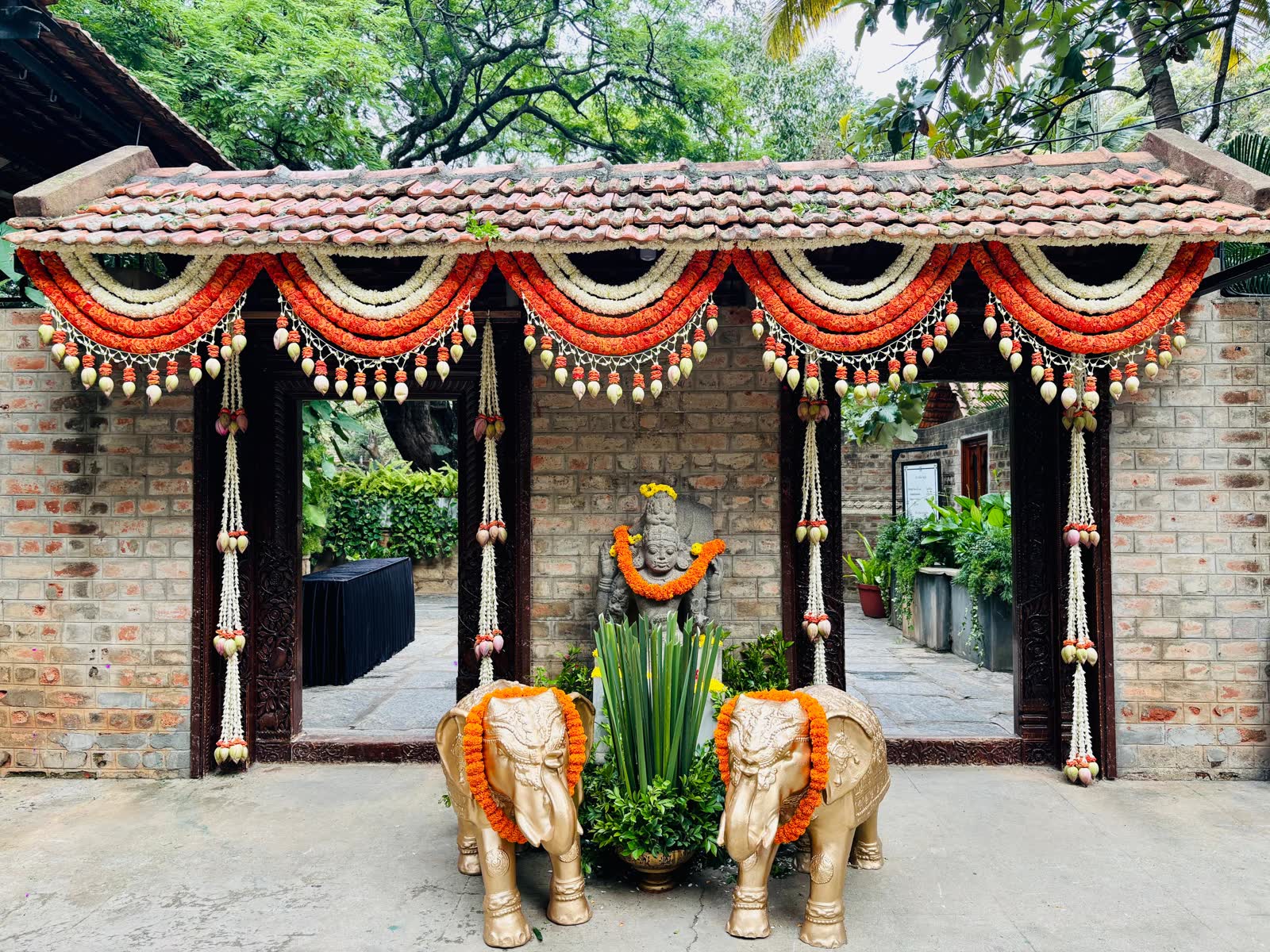
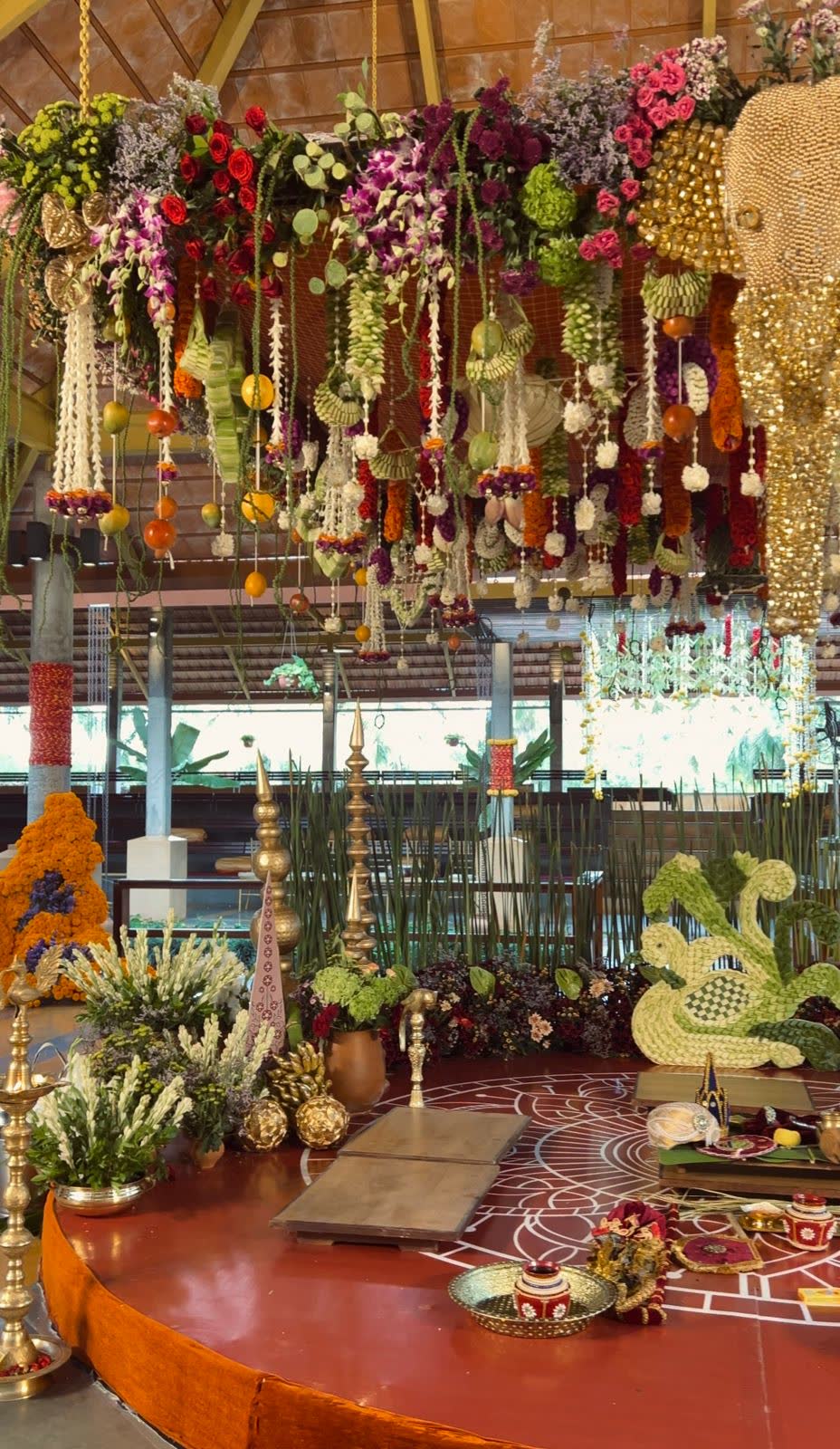
Panigrahana Weddings was founded by architects. This is not a marketing point — it is a description of a design methodology that informs every decision we make, from how we assess a venue to how we proportion a mandap to how we think about the movement of light through a space as evening falls. Architect-designed wedding decor looks different from conventionally styled decor, and understanding why helps couples ask better questions and make better choices about who they hire for the most visually significant event of their lives. For Bangalore-specific decor context, read our complete Bangalore weddings guide; for how architect-designed decor sits within the budget, our Bangalore wedding decor cost guide; and our garden wedding decor guide for Bangalore’s most popular outdoor format.
How Architects Think Differently
Architecture training develops a particular way of engaging with the built environment that is distinguishable from other design disciplines. The core difference: architects are trained to design experience through space, not through objects. A decorator typically thinks about what to put in a room. An architect thinks about what it will feel like to be in the room — how you enter, where you pause, what you see and in what sequence, how the space makes you feel.
This translates directly to wedding design. Most wedding decorators are skilled at choosing beautiful things and placing them well. Very few are trained to think about the spatial sequence of a wedding venue — from the guest's arrival, through the approach, into the ceremony space, through the ritual, to the dinner environment — as a designed narrative experience. Architecture training is precisely the training for this kind of spatial storytelling.
Space Planning — Designing Movement, Not Just Decoration
When Panigrahana's team first assesses a venue, the initial questions are architectural rather than decorative: Where do guests enter and what do they see first? What is the sight line from the entrance to the ceremony space? Where does the natural movement through the space want to go, and how can we guide it? Where are the areas of pause and the areas of transition? What is the spatial relationship between the ceremony and the dining — intimate continuation, or dramatic change?
These questions shape decor decisions that most decorators never ask. The position of the mandap in the room, for example, is often treated as a fixed given — it goes at the traditional "front," wherever that is. An architect-trained designer asks: what is the optimal position for the mandap relative to the guests' entry point, the sight lines from all seating positions, the relationship to the entrance for processional photography, and the visual backdrop seen from the couple's perspective during the ritual? The answer to this question is often not the default position.
Light as Architecture
In architecture, light is not a feature — it is a material. The quality, direction, colour temperature, and movement of light through a space is as important as the physical materials used to build it. Architects spend years learning to design with light: how it enters through openings, how it washes surfaces, how it creates shadow and depth, how it changes from morning to evening.
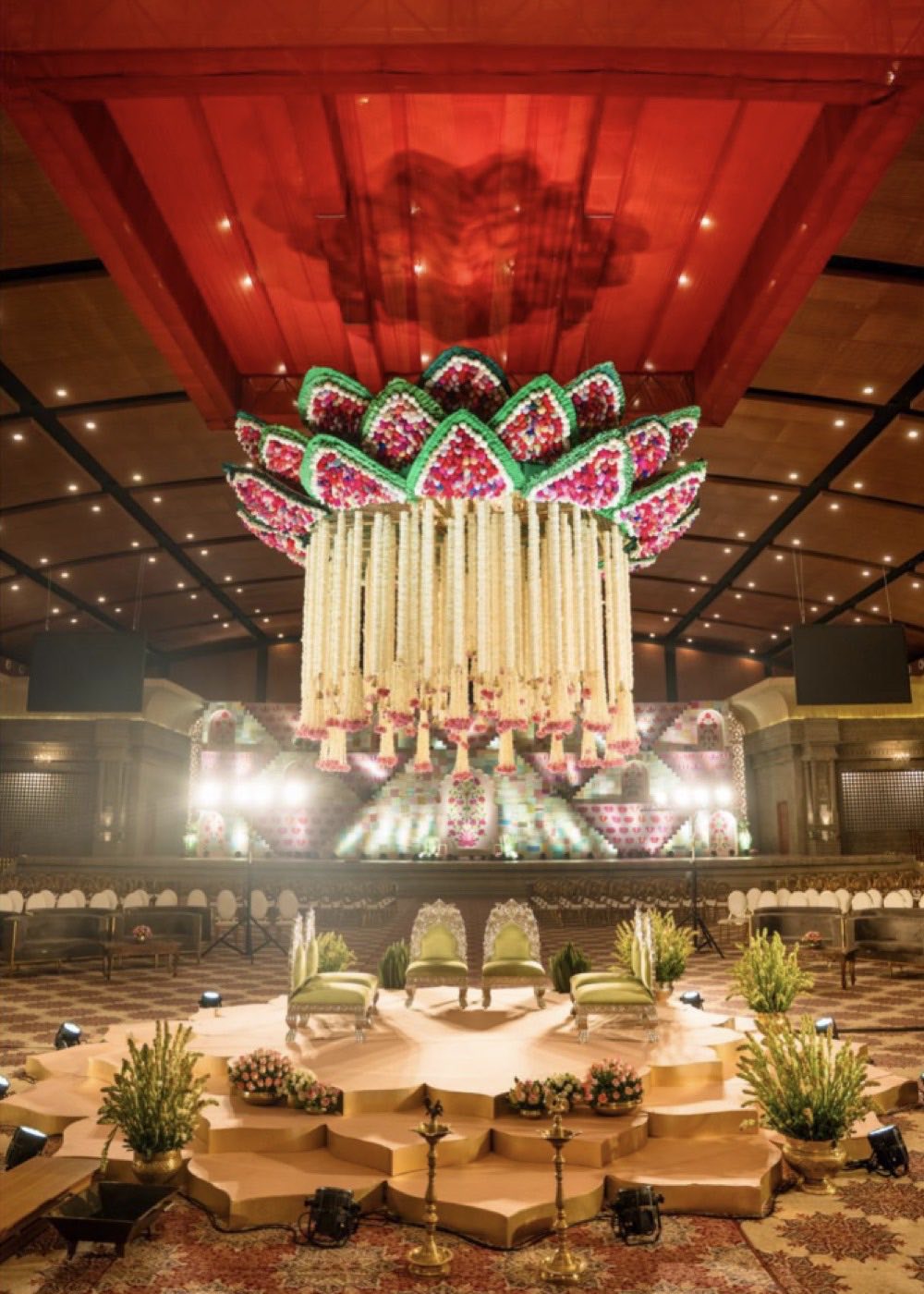
In wedding decor, most lighting decisions are made by electricians following a brief from the decorator: "warm lights here, cold lights there, spotlight on the mandap." The result is adequate illumination with occasional spectacle. An architect-trained approach treats lighting as a design system: understanding how different light sources interact, how the colour temperature changes the apparent palette of all the florals and fabrics, how the shadow pattern cast by a pendant installation contributes to or detracts from the floor-level experience, how the light transitions from ceremony to dinner create a shift in emotional register.
Structural Integrity in Mandap Design
One of the most visible differences between architecturally-trained decor and decoratively-trained decor is the quality of the mandap structure. Architects understand structural systems — how loads are transferred from canopy to frame to foundation, how the relationship between column slenderness and height creates or destroys visual elegance, how the proportions of a structural frame can be beautiful or awkward depending on dimensional relationships.
A mandap designed by an architect will have a structural logic that makes it look stable and inevitable rather than assembled. The column-to-canopy proportion will be considered in relation to the seated figures within (human scale). The structural members will be sized appropriately for their visual and physical loads. The canopy will have proper edge detailing rather than loose edges disguised by flowers. These are details that non-architects typically cannot perceive explicitly but that every viewer perceives implicitly — the mandap looks "right" in a way they cannot articulate.
Human Scale — Designing for Experience, Not for Photographs
A criticism sometimes levelled at Instagram-era wedding decor is that it is designed primarily for the photograph rather than for the people present. This is a real problem. A floral installation that looks spectacular from 15 metres away and in a wide-angle shot may feel overwhelming and inappropriate at the scale of the seated guests beneath it. A mandap canopy that photographs impressively from the photographer's position at the aisle end may provide inadequate shelter and an uncomfortable sense of enclosure from within.
Architecture training specifically includes the study of human scale — the relationship between designed environments and the human body inhabiting them. Designers trained in this discipline make decisions about ceiling heights, canopy widths, seating distances, and viewing angles with conscious reference to how they will actually be experienced by the people present, not just how they will appear in a frame.
The result of this is a wedding that feels beautiful to attend, not just beautiful to look at in photographs. Guests leave with a physical memory of the space as well as the visual one.
We hold 1,686 catalogued decor items and 14,656 individual physical pieces, counted in our own inventory system between June and August 2026. All 1,686 are logged as reusable and 953 carry a photograph in the catalogue. The structures, furniture, fabric and lighting belong to us, which is what lets a drawing be fabricated rather than assembled from whatever a rental yard has free that weekend. The design is new every time. The steel underneath it is not.
Material Honesty — Each Material for Its Own Qualities
Architects are trained in what is sometimes called "material honesty" — the principle that materials should be used for their intrinsic qualities rather than disguised or imitated. Timber should look like timber. Stone should feel like stone. A fabric should drape in the way its weight and weave dictate, not be forced into shapes that its natural properties resist.
In wedding decor, this translates to material choices that feel appropriate and authentic rather than forced. Real brass rather than gold-painted foam. Natural linen rather than synthetic organza pretending to be silk. Structural timber frames that are honestly expressed rather than wrapped and concealed. Flowers arranged to respect their natural form rather than forced into geometric shapes. The result is a visual richness that comes from the materials themselves rather than from surface embellishment.
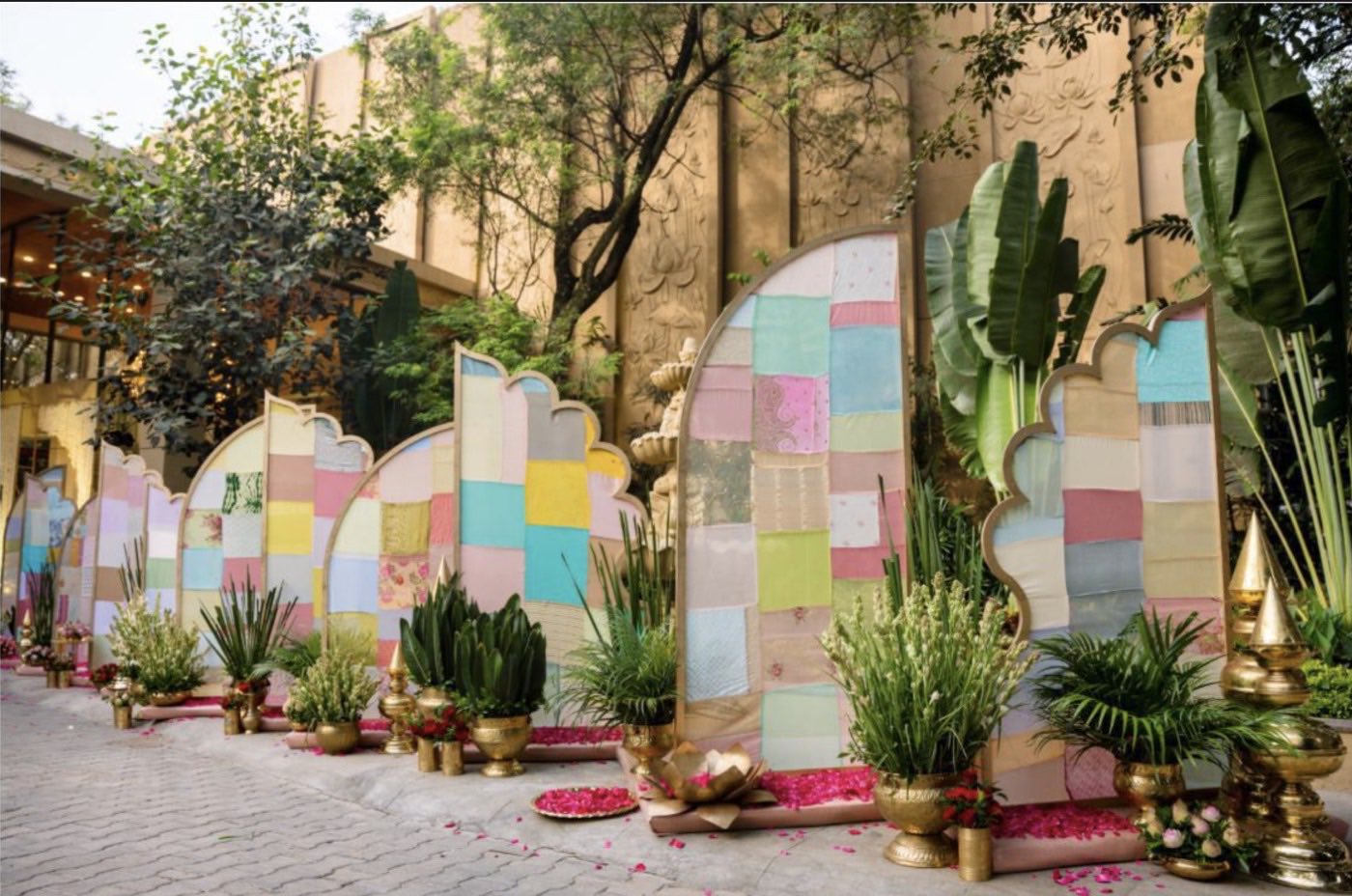
Material honesty, worked out in fabric waste
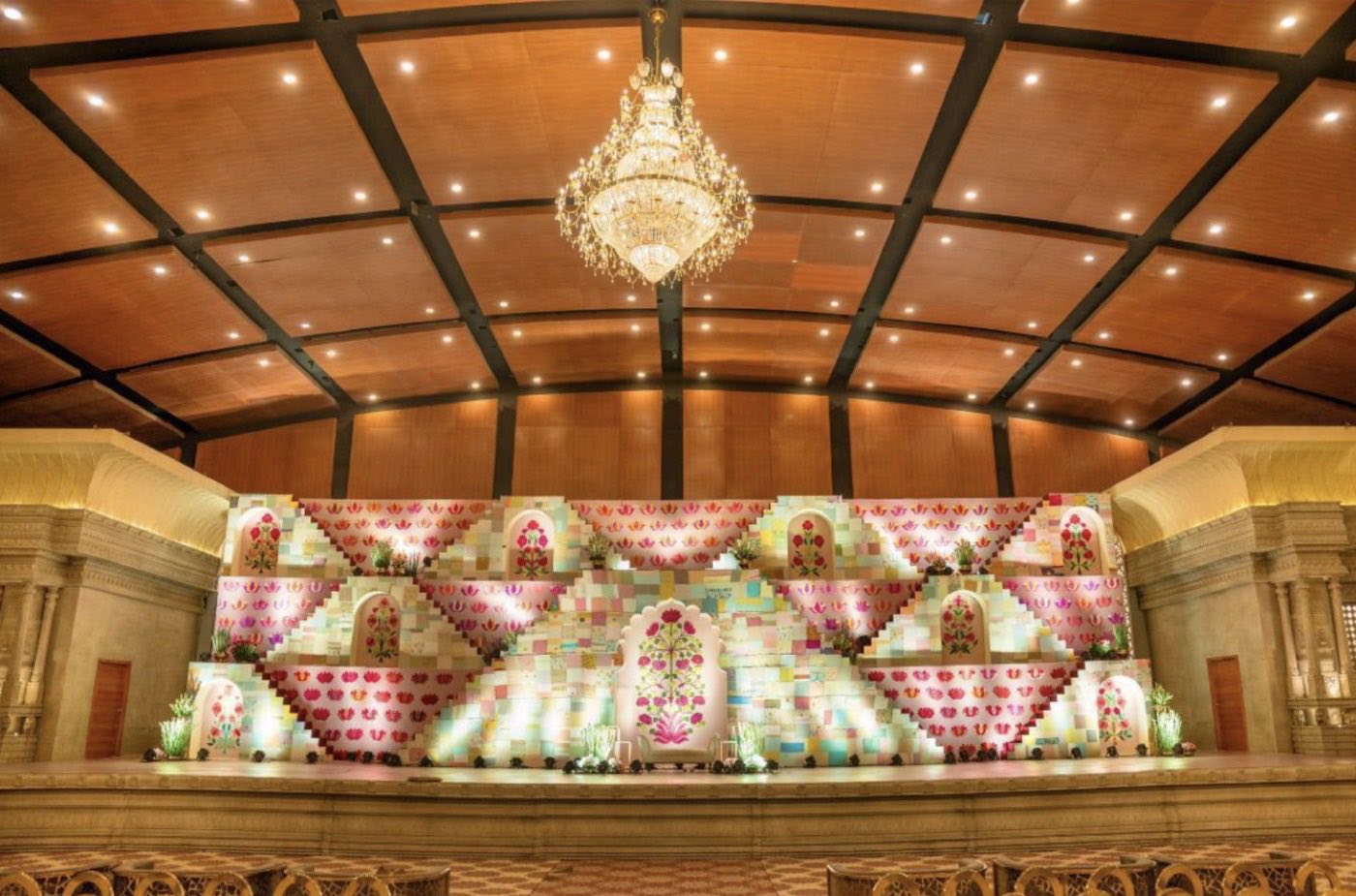
The most complete test of that principle we have run is Minole and Mir's reception at Mukta Hall. The entire build is fabric that already existed: tailoring offcuts, old sarees and mill waste, cut down and stitched into patchwork. Nothing is painted or wrapped to pass as something costlier.
The flowers are fabric as well, filled with more fabric waste, 7,400 of them stitched by hand. The material does what fabric does. It drapes, it takes appliqué, it holds a scalloped edge. It is not pretending to be a petal.
The Couple's Experience on the Day
Ultimately, the reason all of this matters is the lived experience of the wedding day. A wedding designed with architectural intelligence is one where the couple and their guests move through a sequence of spaces that feel considered, where the ritual space has a gravitas that supports the significance of the ceremony, where the transition from ceremony to celebration feels like a real shift in atmosphere, where every moment of arrival and discovery contributes to the emotional arc of the day.
A wedding that has been decorated beautifully but not designed spatially can still produce beautiful photographs. But the experience of being present — which is the thing that endures beyond any photograph — will be different. And it is the experience, ultimately, that we are here to create. See the venues where we create these experiences at our Bangalore venue collection, or begin a conversation at our enquiry page.
After 500+ weddings, our architectural foundation remains what makes us different. If you want a wedding that feels as extraordinary as it looks, let's talk.
Begin Your Story