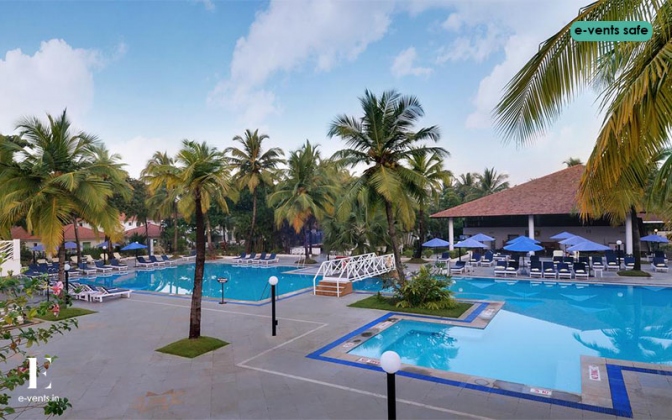
Goa is the natural home of the bohemian Indian wedding. Not because of a trend, but because of a genuine cultural and geographical alignment: the free spirit of Goa's heritage, the warmth of the light, the coconut groves and laterite walls and terracotta rooftops — all of it lends itself to the relaxed, textured, earthy aesthetic that defines boho well. When a bohemian Goa wedding is done properly, it does not look like it was planned. It looks like it happened organically, which is exactly the point — and the hardest thing to achieve. For the full decor cost picture, see our destination wedding Goa cost guide; for venue options that suit the boho aesthetic, our complete Goa weddings guide covers which properties work.
Defining Boho-Indian — What It Actually Is
Bohemian Indian wedding decor is not a generic Pinterest board. It is not just pampas grass and macrame with a couple of marigold strands thrown in as cultural nods. Done well, it is a specific aesthetic that blends the natural material language of the global boho movement — jute, rattan, natural linen, dried botanicals, floor seating — with the ritual objects and colour accents of South Asian wedding tradition. Brass vessels instead of chrome. Handwoven silk instead of polyester. Marigold garlands within a palette that includes terracotta and sage. It is a synthesis, not a mix-and-match.
The Boho Colour Palette for Goa
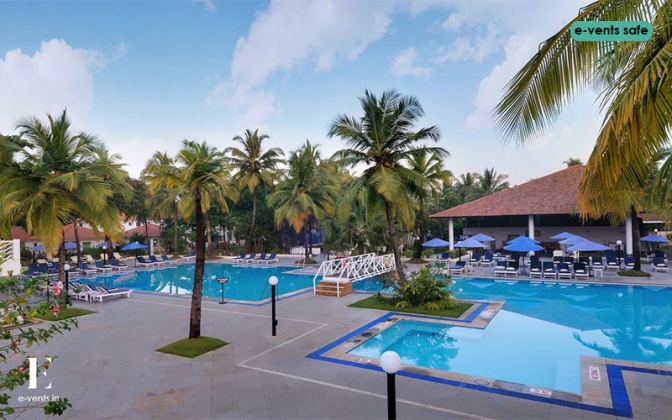
The Goa boho palette is informed by the landscape: laterite stone, beach sand, coconut palm green, the rust of Portuguese-era tiles. It earths naturally.
- Foundation colours: terracotta, warm cream, natural sand, ochre, dusty sage
- Accent colours: burnt rust, deep mauve, soft coral — used sparingly as pops against the earthy base
- Indian integration: saffron and deep orange as accent points. Marigold yellow used structurally — in garlands, in traditional flower installations — rather than as the primary palette driver
- What to avoid: pastel pink and mint green (wedding-generic, not genuinely boho), bright white (clinical, not warm), gold metallic in excess (moves it from boho to maximalist)
Key Materials and Elements
- Macrame. Handwoven wall hangings, ceremony backdrops, and table runners in natural jute or cotton. The signature boho textile material.
- Rattan and wicker. Furniture, lanterns, mirror frames — rattan adds warmth and organic form without the heaviness of polished wood.
- Pampas grass. The architectural floral element of the boho vocabulary. Cream and blush pampas in large vessels or as ceremony backdrop elements. Hardy in Goa conditions.
- Vintage rugs and layered textiles. Dhurrie rugs overlaid with kilim-style runners at ceremony and seating areas. The layering creates the boho depth that a single flat surface cannot achieve.
- Floor cushions and low seating. The mehendi setup is where floor seating is most natural. Bolsters, floor cushions, and low-height brass tables create a seating arrangement that feels intimate and celebratory simultaneously.
- Lanterns and candlelight. Moroccan-influence perforated metal lanterns, terracotta candle holders, and hurricane glass — all within the warm amber range of candlelight.
How to Keep It Indian
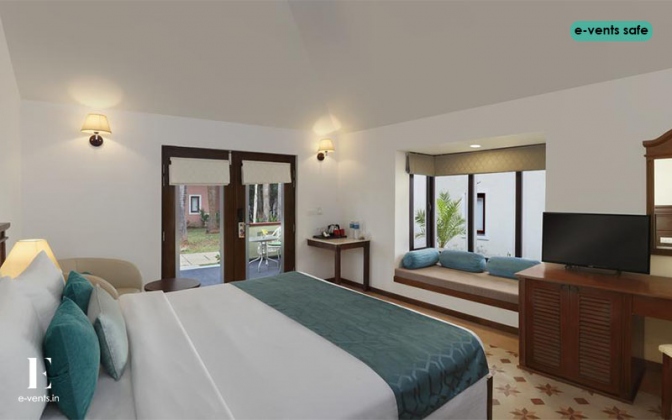
The failure mode for boho Indian weddings is when they look culturally deracinated — aan boho wedding with Indian guests rather than an Indian wedding with a boho aesthetic. The solution is intentional integration of traditional ritual objects and materials within the boho framework, not as an afterthought.
- Brass kalash and traditional vessels used as vases and centrepiece anchors
- Marigold garlands used as structural decor — around ceremony arches, along entrance paths — in the earthy yellow that complements terracotta and ochre
- Coconut and banana leaf accents as natural framing elements (deeply South Indian, also entirely boho)
- Traditional oil lamps (diyas) integrated into the candlelight scheme
- Handwoven Indian textiles — ikat, block print, khadi — in the colour palette as table runners and backdrop elements
Best Venues for Boho Goa Weddings
The boho aesthetic needs a venue with natural character — not a sanitised resort environment. The best Goa properties for boho weddings:
- Villa estates in Assagao and Vagator. Old Portuguese villas with laterite walls, tiled floors, and overgrown gardens. The atmosphere is already 80% boho before a single piece of decor is placed.
- Boutique properties: Elsewhere, Azul, Wildflower. Small, character-rich properties with natural settings. Limited guest capacity (typically 50–120) which suits the intimate boho aesthetic perfectly.
- W Goa (Vagator). For couples who want boho with a contemporary edge — the W's bold aesthetic actually complements an elevated boho brief. See W Goa.
The Mehendi — Boho's Natural Home
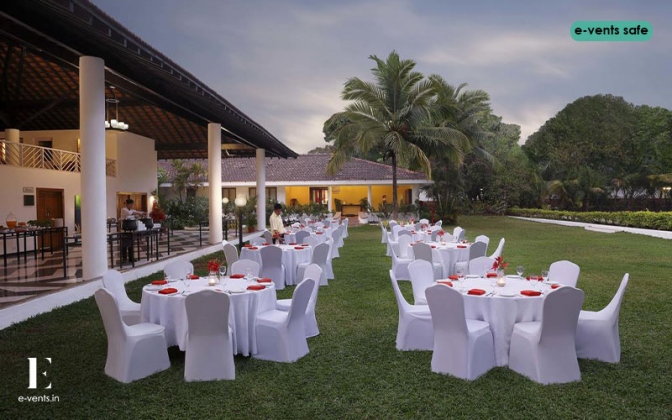
Of all the functions in an Indian wedding, the mehendi is where the boho aesthetic works most naturally and most compellingly. It is already a casual, intimate function. Floor seating is traditional. The daytime outdoor light is perfect for the natural-material palette. Guests sit close to each other. The whole event has a warm, unstructured quality that a boho brief enhances rather than creates from scratch. If you are only going boho for one function, make it the mehendi — and do it with full conviction.
Budget — What Boho Costs
Boho decor is materially less expensive than traditional grand Indian wedding decor. Natural materials — jute, rattan, macrame, dried pampas — cost significantly less than luxury fresh florals and fabricated mandap structures. A complete 100-guest boho Goa wedding with 2-3 functions (mehendi, ceremony, reception) can be beautifully executed for ₹5–15 lakh in decor. The comparable traditional luxury brief would be ₹12–25 lakh. The saving is real — and the aesthetic, in the right setting, is equally beautiful.
For the complete beach wedding decor brief, read Beach Wedding Decor in Goa. For mehendi decor ideas, read Mehendi Decor Ideas. Explore W Goa as a venue for a contemporary boho brief.
The One Element That Separates Good Boho from Great Boho
The single detail that consistently elevates bohemian wedding decor from pleasant to genuinely memorable is textile layering. Most boho Goa weddings use macramé as a backdrop and call it done. The ones that photograph beautifully — and that guests remember specifically — treat textile as an architectural element: hand-knotted pieces at varied heights, linen drapes that move in the sea breeze, woven table runners in tonal earth palettes that connect the ceremony aesthetic to the dinner setting. Textile has a warmth that flowers alone cannot produce, and in the coastal Goa context — where the light is naturally warm and the surroundings are green and textured — layered textiles create a visual richness that is entirely in keeping with the setting. It is also one of the more budget-efficient ways to add depth to a boho design, because well-chosen fabric can do more visual work per rupee than fresh flowers.
Frequently Asked Questions
What is bohemian wedding decor?
Bohemian wedding decor is characterised by natural textures (jute, rattan, macrame, linen), earthy colour palettes (terracotta, sage, cream, rust), low-slung floor seating, layered rugs, lanterns, pampas grass, and a warm, relaxed aesthetic. For Indian weddings, it incorporates traditional objects — brass vessels, garlands, oil lamps — within the boho framework to create an aesthetic that is simultaneously Indian and globally contemporary.
How do I plan a boho wedding in Goa?
A boho Goa wedding works best at villa estates in North Goa (Assagao, Vagator) or boutique properties with natural character. The mehendi is the function where boho decor works most naturally — low seating, rugs, lanterns, a casual garden setting. For the ceremony, a natural arch with dried florals and pampas replaces the traditional mandap heavy structure. Work with a decor studio that understands the distinction between genuine boho-Indian and generic-Pinterest-boho.
Is bohemian decor cheaper than traditional Indian wedding decor?
Yes, materially. Natural materials used in boho decor — jute, rattan, macrame, dried pampas — cost less than luxury fresh florals and fabricated mandap structures. A 100-guest boho Goa wedding with 2-3 functions can be executed for ₹5–15 lakh in decor, versus ₹12–25 lakh for equivalent traditional luxury decor. The saving is significant — but the value is in the aesthetic and emotional experience, not just the budget.
Plan Your Boho Goa Wedding
We Design Boho-Indian Weddings That Feel Like Goa
Tell us your venue, your colour story, and the feeling you want guests to have. We will do the rest.
Start the Conversation