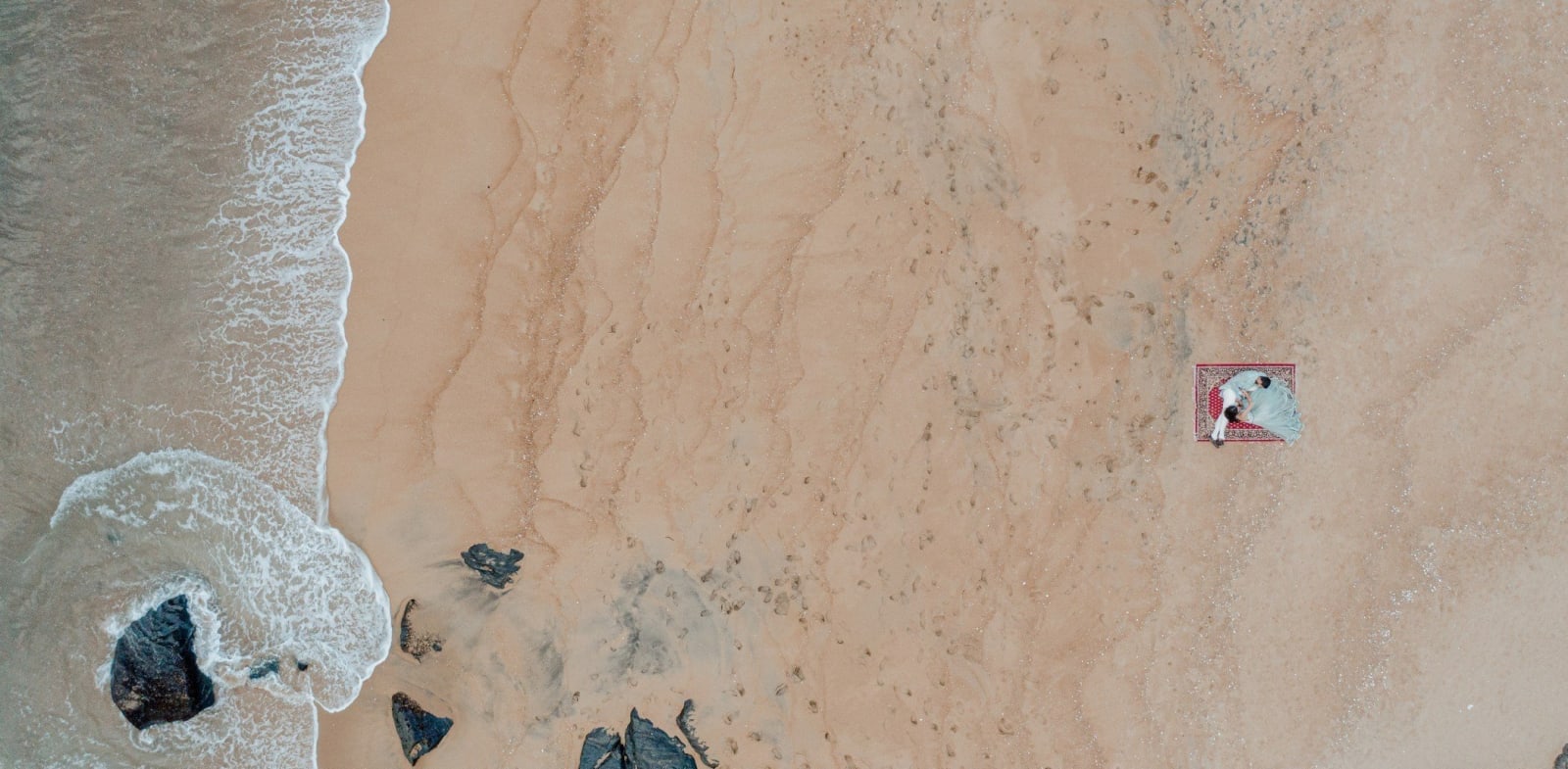
There is nowhere in India quite like Kerala's backwaters. Still water that reflects the sky and everything above it. Coconut palms leaning over the waterline. Traditional kettuvallam houseboats drifting through a landscape of rice fields and village life. The quality of silence and light in the backwaters of Kuttanad, Alleppey, and Kumarakom is unlike anything else in the country — and it creates a wedding setting of extraordinary natural beauty. For the full Kerala planning picture, read our complete Kerala weddings guide; backwater venue costs are in our Kerala wedding cost breakdown for 2026.
Backwater wedding decor is, however, a specific discipline. The water changes everything. It reflects your entire design from below, making every visual decision visible from multiple sight lines simultaneously. The humidity is real and affects floral choices. The logistics of floating elements, ceremony-on-water, and candle-on-lake require expert coordination. This guide covers all of it.
Why Backwater Decor Is a Specific Discipline
In a ballroom or on a hill estate, your decor exists on a single visual plane — the horizontal space of the event. On the backwaters, your decor exists on two planes simultaneously: the event space itself and its reflection in the water below. This changes everything about how you compose the visual experience.
A mandap set up on a lawn overlooking the water is not just experienced from the front. It is experienced from across the water, where the reflection extends the design downward into the lake. Every floral arrangement, every fabric drape, every light source — all of it appears twice. This is the backwater's supreme gift to wedding design. It is also its supreme demand: nothing can be shoddy, half-considered, or ignored on the "back" side. The water sees everything.
Kumarakom Lake Resort — Design Principles for the Preeminent Backwater Venue
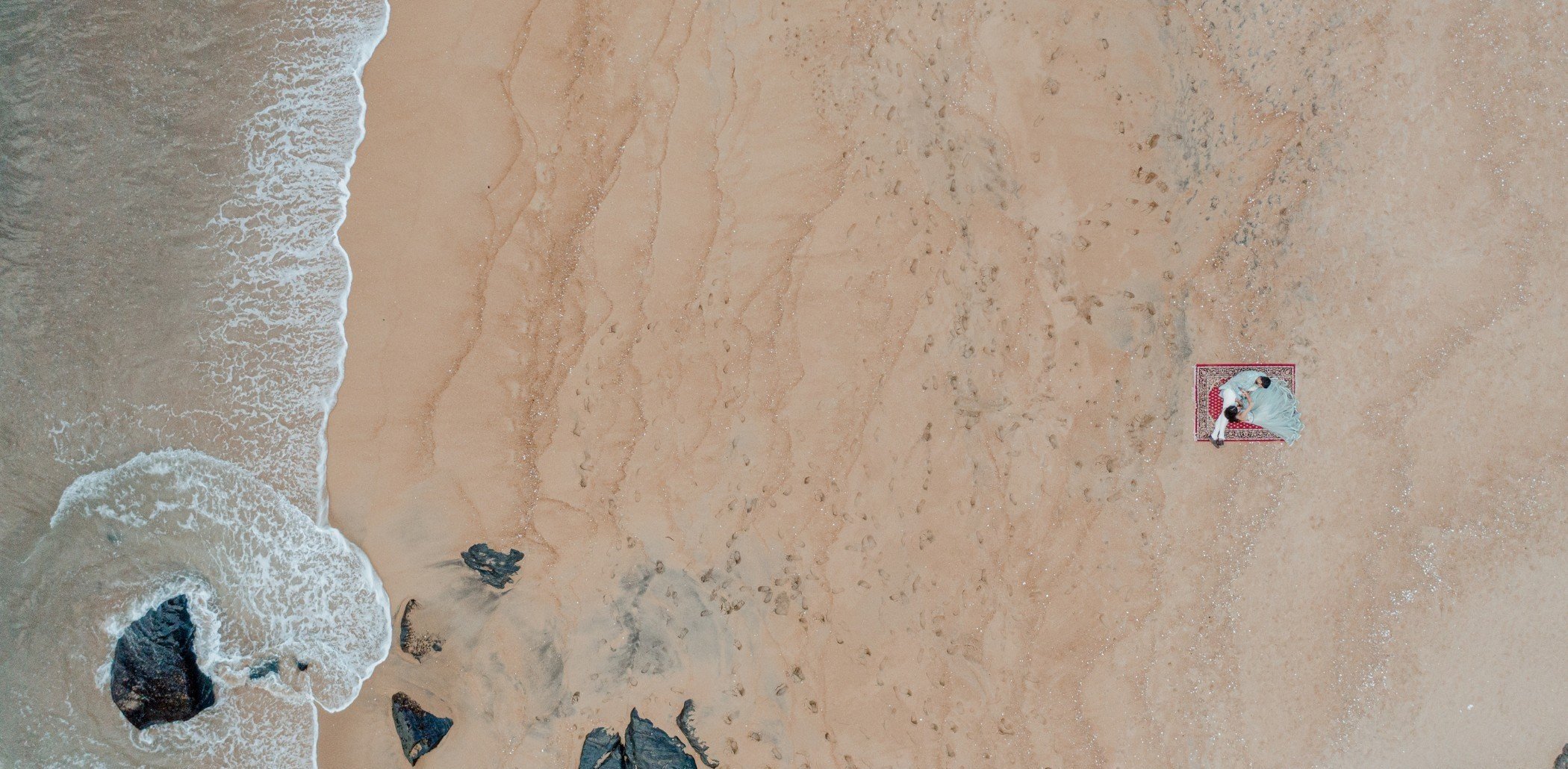
Kumarakom Lake Resort on Vembanad Lake is the definitive backwater wedding venue in Kerala. The property's individual villas extend over the water on wooden walkways, and the ceremony lawn faces directly onto the lake. Designing a wedding here is both an extraordinary privilege and a significant design responsibility.
The governing design principle at Kumarakom is restraint elevated to art. The lake view is so dominant, so beautiful, and so complete that any attempt to compete with it produces visual discord. The correct design approach is to create a ceremony space that frames the lake — that draws the eye toward the water rather than away from it.
- Ceremony orientation. At Kumarakom, position the couple so that the lake is behind them — the congregation faces the water. The reflection of the mandap in the still early-morning or evening water creates one of the most photographically spectacular compositions in Indian destination wedding photography.
- Mandap structure. Open, minimal structures work best. A bamboo frame with white fabric tension, nilavilakku placed on a low polished surface, banana stems flanking without blocking the lake view. The mandap frames the couple; the lake frames the mandap.
- Water-facing stage for reception. The reception dinner, if on the lake-facing lawn, should orient tables so the majority of guests have at least a partial lake view. Floating candles or small lanterns on the water during the dinner hour create an atmosphere that no amount of indoor decoration can replicate.
- Floating floral elements. Flower arrangements floated on large wooden trays or banana leaf platforms on the water surface are a distinctly backwater design technique. Lotus flowers, floating candles, and arrangements of water hyacinth on the lake surface — visible from the ceremony and from across the water — add a dimension that no landside venue can offer.
Using the Water as a Design Element
The most sophisticated backwater wedding designers treat the water itself as a design material — not a backdrop to be ignored but an active surface to be composed. Here are the techniques that work.
- Floating floral arrangements. Terracotta pots or flat banana leaf platforms carrying jasmine, lotus, and floating candles on the water surface create a visual field that extends the wedding decor outward from the shore. Used at dusk, when the water reflects the amber evening light, these arrangements create an almost surreal beauty.
- Candle boats. Small traditional clay lamps (similar to the ones used during Onam and Diwali) floated on the water in the evening create a river-of-light effect that is both visually spectacular and deeply rooted in Kerala's lamp-lighting tradition. The connection to the nilavilakku ceremony is intuitive.
- Reflected lighting. The water's reflective surface doubles the impact of any warm light source above it. A string of Edison lights over the lakeside dinner area, viewed across the water, creates two strings of light — one real, one reflected — for the visual investment of one. Use this deliberately.
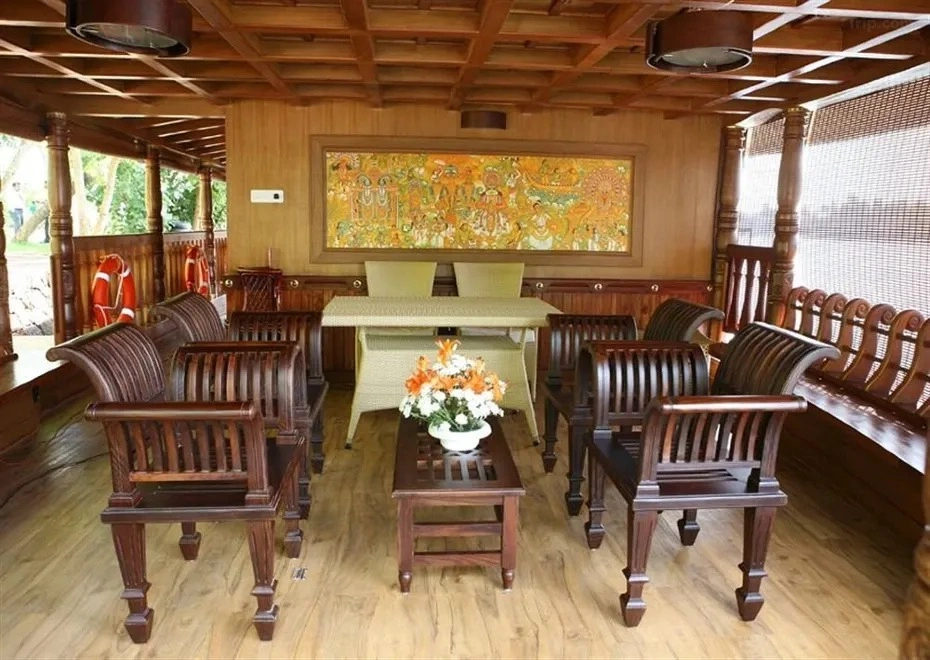
- Houseboat as visual element. A decorated kettuvallam positioned on the water behind the ceremony adds an authentically Kerala visual layer even if no ceremony takes place on it. Dressed in marigold garlands and banana leaf garlands at the bow, it becomes part of the ceremony composition.
Colour Palette for Backwater Weddings — What the Water Does to Colour
The backwater's reflective surface has a specific effect on colour that every design decision must account for. The water reads colours differently depending on light conditions.
In morning light, the water has a silvery, blue-tinted quality that makes cool whites and ivory glow beautifully. In the golden hour before sunset, the water shifts to amber and gold — making warm ivory, gold, and terracotta look stunning while draining cool palettes of their vibrancy. For evening events by candlelight and string lights, the water becomes a deep dark mirror that multiplies warm light sources and reads cool colours as dark.
- Ivory and gold: The safest and most beautiful backwater palette at any time of day. Warm, neutral, and it glows magnificently on the water surface.
- Deep jewel tones at dusk: Emerald green (connecting to the coconut groves), deep teal, and burgundy look dramatic against the darkening water and amber evening light. Effective for reception settings.
- White only: Works beautifully in morning light, can look cold and flat in evening conditions. Use ivory rather than pure white if your primary events are in the evening.
- Pastel palettes: Challenging in the backwater environment — they tend to wash out against the strong natural greens and the water's reflectivity. If you love pastels, anchor them with gold and ivory rather than letting them stand alone.
Florals for Backwater Settings — Native, Symbolic, Beautiful
The most powerful design decision for a backwater wedding is to use florals that are native to the backwater environment itself. This is not a constraint — it is an extraordinary opportunity.
- Lotus flowers. The lotus grows in Kerala's backwaters. It is sacred in Hindu tradition, symbolising purity arising from still water. A ceremony flanked by large lotus arrangements is visually striking and culturally resonant in a way that imported garden roses simply cannot replicate. Available in white and pink — both are spectacular.
- Water hyacinth. The pale purple-blue water hyacinth grows wild across Kerala's waterways. Used in loose, unfussy arrangements, it adds an earthy, authentic texture that signals "this is Kerala" immediately.
- White orchids. Dendrobium orchids thrive in Kerala's humid climate and are widely cultivated. Long-lasting, humidity-resistant, and beautiful in the backwater light. The most practical choice for large-scale floral work at backwater venues.
- Jasmine. Non-negotiable for any Kerala wedding regardless of setting. The scent of jasmine is the scent of Kerala ceremony. Use it in garlands on the mandap, in the bride's hair, and in table arrangements.
- Anthuriums. Waxy, humidity-tolerant, available in white (most beautiful for backwater settings) and red. Long lasting and structurally interesting.
The Humidity Factor — What It Means for Your Florals
Kerala's backwaters are genuinely humid — 75 to 90 percent relative humidity in the winter wedding season. This is much higher than you will experience at a Bangalore or Goa wedding. The humidity has practical effects on floral choices that must be factored into your design.
Delicate petalled flowers — garden roses, peonies, lisianthus, ranunculus — will wilt noticeably faster in high humidity than in a drier climate. If you want these flowers in your design, they should be introduced in the final setup, kept refrigerated until placement, and used as accent materials rather than primary structural elements. Tropical and semi-tropical flowers — orchids, anthuriums, lotus, heliconia — are completely unaffected by humidity and should form the backbone of your floral design.
Lighting for Backwater Weddings
Lighting at a backwater wedding has a unique opportunity that no other setting in India can match: the water surface as a secondary display medium. Everything you put in the air above the water appears twice.
- Lanterns floating on water. Traditional Kerala clay lamps floated in the evening create a river of fire effect on still water. Used during the dinner hour, as guests settle into their seats and look out at the lake, the impact is extraordinary — it is the moment guests most often photograph and describe to people who weren't there.
- Fairy lights in coconut grove canopies. The Kerala backwater landscape is framed by coconut palms. Stringing warm amber fairy lights through coconut palm canopies at 5–8 metre height creates an intimate ceiling out of the open sky — and its reflection in the water below doubles the effect. This is one of the most cost-effective and visually impactful lighting decisions available at backwater venues.
- Warm amber over the ceremony deck. Use warm amber (2700–3000K) LED washes rather than white or cool light. Warm amber reads on the water as golden fire — cool light reads as harsh and industrial.
- No underwater lighting. Underwater LED lighting in the lake or pool sounds dramatic but typically reads as garish and detracts from the natural quality that makes backwater venues desirable. Let the water surface work with reflected light rather than lit from below.
The Houseboat Ceremony — Logistics and Reality
A ceremony on a traditional Kerala kettuvallam houseboat is the dream of many couples who choose a backwater wedding. It is achievable — and it requires specific planning.
A standard kettuvallam is approximately 20–30 metres long and 4–5 metres wide on the main deck. This limits a ceremony to roughly 20–40 guests on the boat simultaneously. The boat moves — gently, but perceptibly — which means the sacred fire must be in a secured, stable container and all structural decor must be anchored. A moored boat is more stable than a moving one; a moored ceremony is therefore safer and logistically simpler. The houseboat ceremony is ideal for the intimate legal and ritual core of the wedding, with a larger gathering reception on land before or after.
For the definitive backwater wedding experience, see our guide to Kumarakom Lake Resort. Browse all Kerala venues. To plan your backwater wedding with our team, visit Traditional Kerala wedding decor and flowers — the floral palette that makes backwater settings extraordinary. Houseboat wedding in Kerala — the most intimate backwater format. Kerala Wedding Planning.
Frequently Asked Questions
What flowers work best for a Kerala backwater wedding?
The best florals for Kerala backwater weddings are native to the backwater environment. Lotus flowers are the most symbolic and beautiful choice. Water hyacinth adds earthy authenticity. White orchids and jasmine work well and are humidity-resistant. Avoid delicate garden roses as the primary floral — the humidity is high and they wilt quickly. Use tropical and semi-tropical flowers as the structural backbone of your design.
Can you have a ceremony on a Kerala houseboat?
Yes, with important constraints. A kettuvallam limits guest capacity on the boat to roughly 20–40 people. The ceremony must account for the movement of the boat, and the sacred fire setup must be secured carefully. A moored ceremony is safer than a moving one. The aesthetic result — ceremony on water surrounded by backwaters — is extraordinary, ideal for the intimate core of the wedding with a larger reception on land.
How does humidity affect backwater wedding decor?
Kerala's backwaters run at 75–90% relative humidity. Delicate florals (garden roses, peonies, lisianthus) wilt faster than in a dry climate — use them as accents only, kept refrigerated until the last moment. Tropical flowers (orchids, anthuriums, lotus) are unaffected. Use natural breathable fabrics for draping — linen, cotton, organza — rather than synthetics that trap moisture. Wood, brass, and stone elements are completely unaffected by humidity and are the ideal structural materials.
What is the best lighting approach for a backwater wedding?
The water surface reflects and multiplies light — use this deliberately. Float candles or small lanterns on the water for a magical ambient effect. Use warm amber string lights in coconut grove canopies — the reflection on still water doubles the visual impact. Avoid harsh white LED washes that create cold colour on the water surface. The goal is the impression of a ceremony lit by fire and lantern light, with the water extending warmth outward into the surrounding darkness.
Plan Your Backwater Wedding
Design a Kerala Backwater Wedding That Uses Every Drop
Panigrahana's Kerala team has planned weddings at Vembanad Lake, Alleppey, and Kumarakom. Share your vision and we will show you what is possible on the water.
Begin Your Story