Sri lanka wedding photography guide begins with the single most important decision Indian couples face: do you fly your trusted photographer from India, or hire a Sri Lanka-based photographer who knows the island's light and locations? There is no universally correct answer — but there is a framework for making the right choice for your specific wedding. This guide walks through both options, what to look for in either case, the cost structure you should expect, drone permit realities, and the best photographic moments specific to each Sri Lanka venue type. For venue photography context, our guide to the best Sri Lanka venues covers access to key locations; photography costs are in our Sri Lanka wedding cost breakdown.
The Core Decision — India Photographer vs Local
Flying your Indian photographer to Sri Lanka is the safer choice when you have a deep, established relationship with them, when your wedding involves complex multi-day Indian ceremony rituals where their contextual understanding matters enormously, or when their portfolio already demonstrates the specific aesthetic you want replicated in a new setting. An Indian photographer who has shot 50 weddings and knows exactly how to capture the kanyadaan or the saptapadi, who understands when to be unobtrusive and when to step forward for the family formal, brings irreplaceable institutional knowledge of your ceremony's emotional architecture.
The cost of flying your Indian photographer: expect to add USD 1,500–2,500 on top of their India fee, covering return business class flights (most senior photographers travel business on international shoots), accommodation for 3–5 nights, Sri Lanka visa (free ETA for most Indian photographers), per diem, and equipment shipping or carry-on allowance. This is a meaningful additional cost but one that many couples consider worthwhile for the certainty of a known outcome.
Hiring a Sri Lanka-based photographer is the right choice when their portfolio already demonstrates specific experience with Indian wedding ceremonies, when you want maximum knowledge of the island's light conditions and hidden locations, and when you are comfortable with a shorter pre-wedding relationship (portfolio review and video call replacing the in-person meetings typical with an India photographer). A great Sri Lanka-based photographer who has shot Indian weddings on the island will know precisely where the evening light falls on the Galle Fort ramparts, when the mist clears from the Ella hills, and which beach stretch at Cape Weligama catches the golden hour best from the clifftop.
What to Check in Any Sri Lanka Wedding Photographer
Indian skin tone rendering: This is the most technically critical requirement and the most commonly overlooked. Indian skin tones — ranging from fair North Indian complexions to deep South Indian skin — are notoriously challenging in high-contrast outdoor lighting (direct beach sun, mixed indoor-outdoor ceremony spaces). Ask every photographer you consider to show you unedited samples of Indian couples in similar lighting conditions to your planned ceremony. Poor skin tone rendering in bright outdoor light is the number one technical failure in Sri Lanka destination wedding photography — a beautiful setting ruins by blown highlights and muddy skin tones.
Poruwa ceremony experience: If you are incorporating a Poruwa ceremony (Sri Lanka's traditional wedding ritual), the photographer must understand the ceremony's flow, the key ritual moments (the ascending of the platform, the finger tying, the water offering), and the spatial arrangement of the ceremony participants. A photographer experiencing a Poruwa for the first time on your wedding day will miss decisive moments. Ask to see Poruwa ceremony portfolio specifically.
Outdoor ceremony lighting management: Sri Lanka's outdoor wedding ceremonies — beach settings, clifftop terraces, garden ceremonies — present challenging mixed lighting situations. Backlit ocean ceremonies require precise fill-flash technique. Afternoon outdoor ceremonies in Sri Lanka's intense equatorial light require diffusion and positioning discipline. Review portfolio samples from the specific time of day and venue type you are planning.
Typical Cost Structure
Sri Lanka-based wedding photographers with genuine Indian wedding experience charge USD 2,000–6,000 for full destination wedding coverage (typically 2–3 days). This range reflects real quality differences — a USD 2,000 photographer and a USD 6,000 photographer are not the same product. At the USD 2,000–3,000 level you get solid competent photography; at USD 4,000–6,000 you get artists whose work stands alongside the best international destination wedding photography.
The full photography investment for a quality Sri Lanka Indian destination wedding — lead photographer, second shooter, videographer, drone coverage — typically runs USD 6,000–12,000. This is 20–30% less than comparable coverage for a similar-scale wedding in Bali, and significantly less than luxury Indian venue costs, making Sri Lanka a genuinely cost-effective photography destination.
Drone Photography Permits in Sri Lanka
Drone photography is legal in Sri Lanka but requires advance approval from the Civil Aviation Authority of Sri Lanka (CAASL). The permit application requires the proposed flight plan (GPS coordinates, altitude), drone specifications and registration, operator credentials, and insurance documentation. Applications should be submitted at least 2–4 weeks before the shoot date. Panigrahana handles all drone permit applications as standard practice for Sri Lanka weddings with aerial photography.
Key restrictions to know: drone flights are prohibited within 5km of airports (affects Colombo city, Negombo, and some Kandy area shoots); prohibited in designated cultural heritage zones (Temple of the Tooth precinct in Kandy, certain Sigiriya area coordinates); and subject to restriction in military zones along the north coast. The south coast — Galle, Tangalle, Mirissa, Cape Weligama — is the most permissive drone zone and the most photogenic from the air, offering clifftop-to-ocean perspectives that are among the most spectacular destination wedding drone shots in Asia.
Best Photo Timings by Venue Type
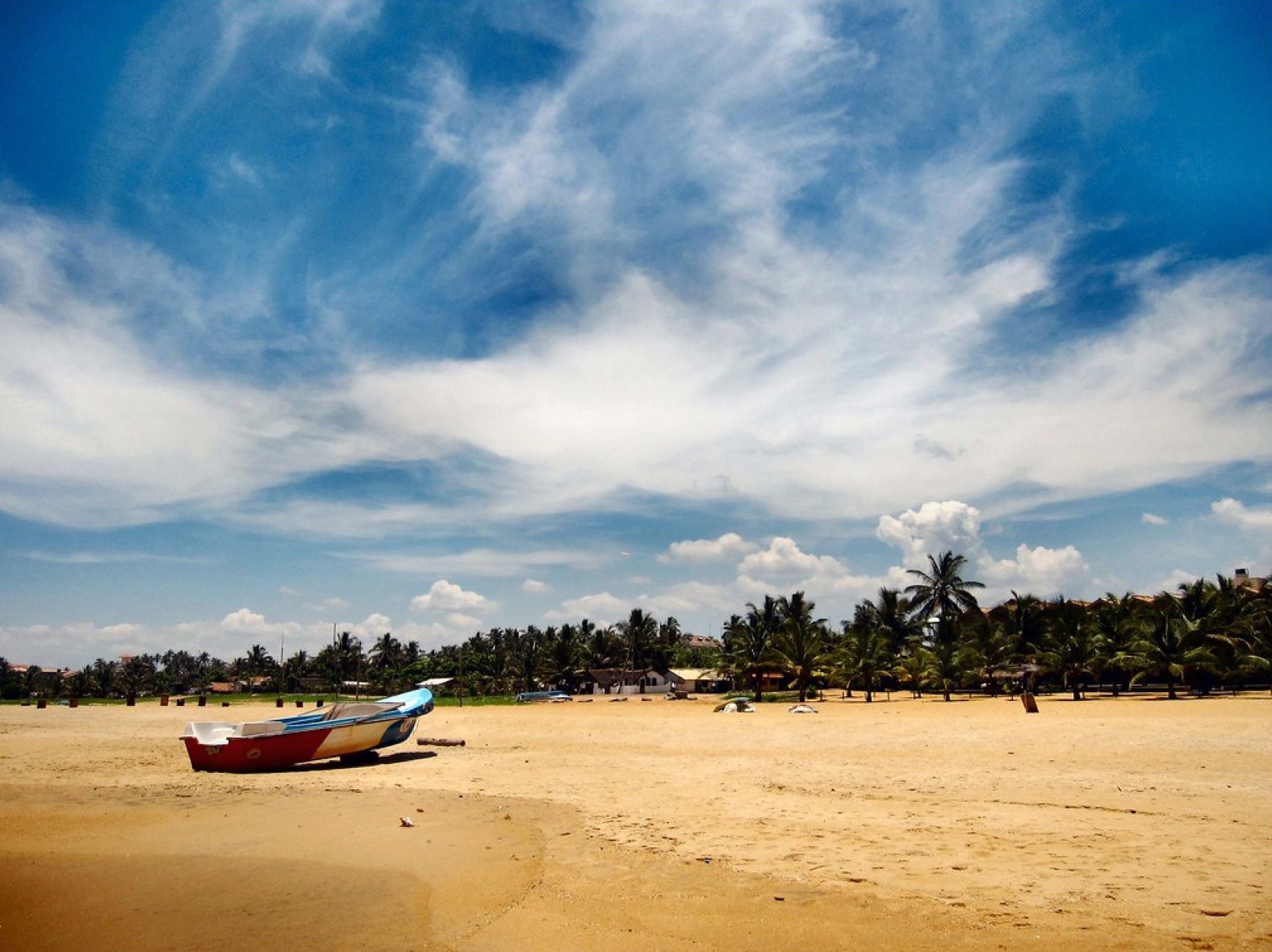
Beach ceremony venues (Tangalle, Mirissa, Cape Weligama): Golden hour — the 45 minutes before sunset — is the single most important photography window. Schedule the couple's portraits during this time without exception. The ceremony itself works best at 4–5pm (2 hours before sunset) when the light has softened but is still directional. Morning ceremony photography (7–9am) also offers exceptional soft light and empty beaches.
Galle Fort colonial settings: The late afternoon light (3–5pm) on the Fort's ochre and white colonial walls creates extraordinary warm tones. Dawn shoots in the Fort's cobblestone alleys — when the tourist crowds are absent and the light is soft — produce some of the most intimate and architecturally beautiful destination wedding images in Sri Lanka.
Kandy highland venues: Morning is the priority — the Kandy valley fills with mist in the early hours and clears to brilliant clarity by 9–10am, creating a photographic window of ethereal quality. The lake reflection of the Temple of the Tooth at dawn is a once-in-a-lifetime composition. Afternoon highland light is often softer and more forgiving than coastal light.
Ella hill station: Morning again — the misty tea estate landscape before 8am is incomparable. The Nine Arches Bridge is best photographed from 7–9am when the morning train passes and the light comes from the east. Afternoon can produce dramatic cloud-and-light interplay in the hills.
Panigrahana's Photography Partnerships
Panigrahana maintains working relationships with a curated group of photographers on both sides of the equation — Indian photographers experienced with international travel and Sri Lanka logistics, and Sri Lanka-based photographers with proven Indian wedding ceremony expertise. Our recommendation is always tailored to the specific couple's aesthetic preferences, ceremony complexity, venue, and budget. We provide portfolio reviews, coordinated pre-wedding scouting visits for the photographer, and full on-the-day logistics coordination including transport, venue access scheduling, and ceremony timeline planning that maximises photographic opportunity without disrupting the wedding's natural flow.
Discover the best pre-wedding shoot locations in our Sri Lanka pre-wedding shoot guide. Read the complete Sri Lanka destination wedding guide for full planning context. The Sri Lanka wedding cost breakdown — photography cost context. Talk to Panigrahana about photography planning for your Sri Lanka wedding.
If you still need someone to shoot it: Élan Films is our own wedding cinema and photography studio — it shoots across India and publishes what a shoot at each location actually takes: the permissions, the light window, and the hour the crowd arrives.
Frequently Asked Questions
Should I fly my Indian photographer to Sri Lanka or hire a local one?
It depends on your priorities. Flying your trusted Indian photographer is safer for complex multi-day ceremonies where contextual understanding matters. A high-quality Sri Lanka-based photographer is the right choice when they already have Indian wedding experience and know the island's light intimately. The hybrid approach — flying your Indian lead photographer and hiring a local second shooter — gives you the best of both worlds and is Panigrahana's most frequent recommendation.
What do wedding photographers charge in Sri Lanka?
Sri Lanka-based photographers charge USD 2,000–6,000 for full Indian destination wedding coverage. Flying an Indian photographer adds approximately USD 1,500–2,500 for flights, accommodation, and per diem. A full photography package (lead, second shooter, videographer, drone) for a quality Sri Lanka Indian wedding typically runs USD 6,000–12,000 — generally 20–30% less than equivalent Bali destination wedding photography costs.
Is drone photography allowed at Sri Lanka wedding venues?
Yes, but advance CAASL (Civil Aviation Authority of Sri Lanka) permit approval is required — typically 2–4 weeks lead time. Restrictions apply within 5km of airports and in heritage zones. The south coast (Galle, Tangalle, Cape Weligama) is the most permissive and most photogenic drone zone. Panigrahana handles all drone permit applications as standard practice for Sri Lanka weddings.
Sri Lanka Wedding Photography — Panigrahana's Curated Partners
Every Golden Hour. Every Sacred Moment. Perfectly Captured.
Panigrahana connects you with photographers who understand Indian ceremonies, Sri Lanka's extraordinary light, and the art of making your wedding album a lasting heirloom.
Begin Your Story