Planning a hindu wedding ceremony bali requires understanding something that surprises many Indian couples when they first encounter it: Balinese Hinduism and Indian Hinduism are not the same tradition, but they are unmistakably kin. Both derive from the same Vedic and Shaivite roots. Both use Sanskrit in their liturgy. Both centre their ritual life on the relationship between humans, nature, and the divine. The 1,200 years of separate evolution that have produced distinct liturgical forms, temple architectures, and ceremonial vocabularies have not erased the fundamental kinship — and it is precisely that kinship, encountered afresh in a foreign tropical setting, that makes a Bali Hindu wedding ceremony one of the most spiritually resonant experiences available to an Indian couple. For the full planning context, read our complete Bali destination wedding guide; for legal considerations around religious ceremonies, see our Bali wedding legal requirements for Indian couples.
Balinese Hinduism — A Living Cousin of Your Own Faith
Balinese Hinduism arrived in Bali from Java and India approximately 1,200–1,500 years ago, carried by Hindu and Buddhist kingdoms whose influences merged in the unique syncretic form that Bali still practises today. When Islam expanded through Java in the 15th–16th centuries, Bali's geographic isolation allowed it to maintain and develop this Hindu-Buddhist synthesis independently. The result is a living tradition that has preserved elements of classical Indian Hinduism that have since evolved or disappeared in parts of India itself.
For Indian guests attending a Bali wedding, the experience of encountering Balinese Hinduism is consistently one of the most talked-about aspects of the trip: the sight of temple offerings at every doorstep each morning; the sound of gamelan music at temple festivals; the smell of incense at every street-corner shrine; the rice paddy terraces maintained as an expression of the tri hita karana philosophy of harmonious relations between humans, nature, and the divine. These are not theatrical performances for tourists — they are the daily fabric of Balinese life.
The Melukat Purification Ceremony — Morning Before the Wedding
The melukat is a Balinese Hindu purification ritual that Panigrahana arranges for the wedding morning. The ceremony takes place at a sacred water source — a river, a temple spring, or a designated holy water area — in the presence of a pemangku (Balinese Hindu priest). The couple, dressed in simple Balinese ceremonial white, stands at the water source as the pemangku chants Sanskrit and Kawi mantras and pours holy water over their heads, hands, and bodies. Flower offerings (canang sari) are placed at the water source. The ceremony lasts 20–35 minutes.
For Indian Hindu couples, the melukat is immediately legible: it is analogous to the abhishekam ritual of South Indian temple practice, or the pre-wedding snaan (holy bath) found across North Indian wedding traditions. The logic of purification before marriage — arriving at the ceremony cleansed of past accumulations, ready to begin new — is universal across the Hindu world. Many Indian couples report that the melukat is the most emotionally powerful moment of their entire Bali wedding experience: intimate, quiet, and spiritually real in a way that the production-scale main ceremony cannot always achieve.
The Pemangku — Bali's Wedding Priest
The pemangku is Bali's village-level Hindu priest, responsible for presiding over ceremonies, blessings, and rituals at local temples and for private family events. Unlike the Brahmana priests of Bali (a separate, higher-caste priestly class), the pemangku is a community spiritual servant accessible to all. For a Bali wedding blessing, Panigrahana works with experienced, senior pemangku who have conducted blessings for international couples — including many Indian couples — and who understand why the occasion.
The pemangku's role in a combined Indian-Balinese ceremony is typically to open the ceremony with Balinese Hindu prayers, conduct the holy water blessing, and offer the flower and incense offerings that frame the ceremonial space with Balinese spiritual intention. The Indian Brahmin priest then conducts the Indian ceremony rituals within this blessed space. The two priests work in coordination — Panigrahana scripts the ceremony in advance and manages the coordination between both priests to ensure the combined ceremony flows without confusion or duplication.
Indian Rituals in a Bali Setting — Saptapadi, Kanyadaan, Mangalsutra
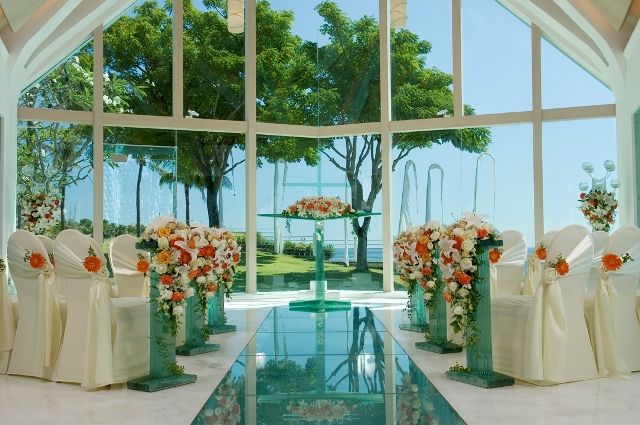
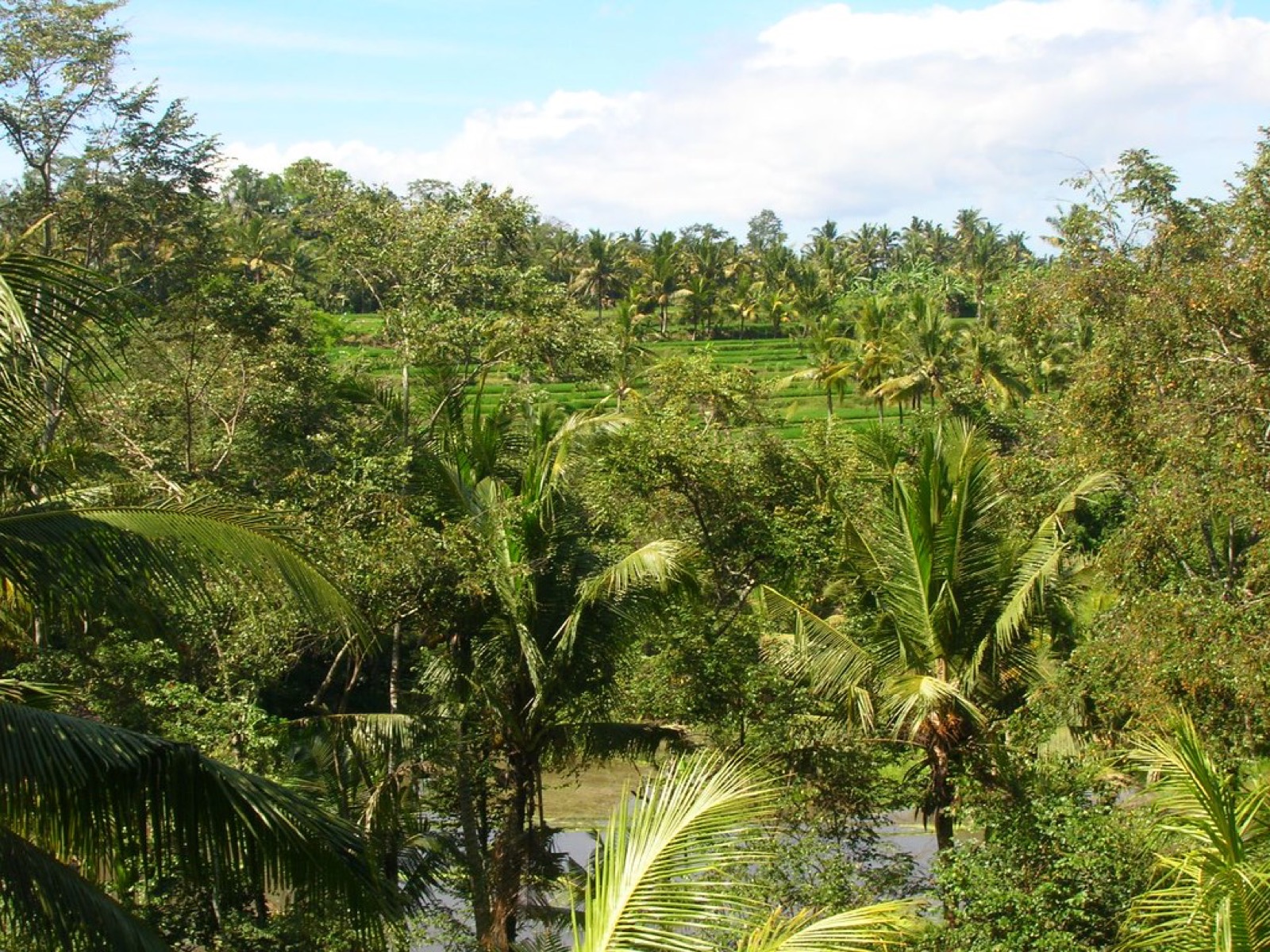
The core rituals of the Indian Hindu wedding ceremony — the ganesh puja, the kanyadaan (giving of the bride), the saptapadi (seven steps around the sacred fire), the sindoor, and the mangalsutra — are conducted in full in a Bali wedding ceremony exactly as they would be at home. The difference is the setting: a cliff-top terrace above the Indian Ocean, a jungle pavilion surrounded by ancient banyan trees, or a rice terrace clearing where the terraced fields descend to the valley below. The sacred fire (homa kund) is built and maintained by the Indian priest; the puja materials are sourced and transported by Panigrahana from India; the priest conducts all rituals in the couple's regional tradition (South Indian or North Indian, Shaiva or Vaishnava as applicable).
The logistical challenge of conducting an Indian Hindu ceremony in Bali is primarily one of materials: the puja samagri (ritual materials), coconut, fresh flowers, banana leaves, specific grains, ghee, and other offerings must either be sourced locally in Bali (where much is available due to Bali's own Hindu practice) or transported from India. Panigrahana maintains a standing logistics arrangement for puja materials for all Bali weddings, ensuring that every required ritual element is available without compromise.
The Bilingual Ceremony — Scripting Both Traditions Together
A well-designed combined Indian-Balinese ceremony does not simply place two separate ceremonies back to back — it weaves them into a single narrative arc. Panigrahana's ceremony script for a combined ceremony typically runs: Balinese opening prayer and welcome by the pemangku (10 minutes) → Ganesh puja conducted by the Indian priest (10 minutes) → Balinese flower offering and space blessing (10 minutes) → Kanyadaan (10 minutes) → Saptapadi around the sacred fire (15 minutes) → Mangalsutra and sindoor (10 minutes) → Balinese holy water blessing of the couple by the pemangku (10 minutes) → Closing prayers in both traditions (5 minutes). Total: 80 minutes.
This structure positions the Balinese elements as the sacred frame — the opening and closing of the spiritual container — within which the Indian Hindu marriage rituals are performed. The effect for guests is of a ceremony that is both entirely familiar (the Indian rituals they know from home) and entirely extraordinary (a living sacred space created by Balinese Hindu practice in a Balinese landscape). Panigrahana has seen grown men weep quietly during the saptapadi at Bali ceremonies — not from sadness but from the overwhelming beauty of hearing Sanskrit wedding mantras in a place where Sanskrit is still a living liturgical language.
Finding a Brahmin Priest for Bali — Panigrahana's Network
Sourcing a qualified Brahmin priest who will travel to Bali and conduct a full Indian Hindu wedding ceremony competently requires specific knowledge. Panigrahana works with a network of experienced Vedic priests from South India (Bangalore, Chennai, Hyderabad) and North India (Delhi, Mumbai) who have conducted ceremonies in Bali multiple times. These priests are experienced with outdoor ceremonies, with coordinating alongside Balinese pemangku, with the specific logistics of conducting a ceremony without a traditional fire-pit structure, and with the cultural sensitivity required in a Balinese sacred context. Travel and accommodation for the priest is arranged by Panigrahana as part of the wedding planning process.
Read our complete Bali destination wedding guide for full planning context. See how Indian decor traditions translate to Bali's natural setting in our Bali wedding decor guide. Bali wedding traditions Indian couples can authentically embrace complement every Hindu ceremony element described here. Begin planning your Hindu ceremony in Bali with Panigrahana.
Frequently Asked Questions
Can we have a Hindu wedding ceremony performed in Bali with an Indian priest?
Yes. Indian Brahmin priests regularly travel to Bali for destination weddings through Panigrahana's network. They bring their own puja materials, are experienced with outdoor ceremonies in Bali, and coordinate with the Balinese pemangku for the combined ceremony format. Panigrahana arranges all travel and accommodation logistics for the priest.
What is the melukat purification ceremony and should we include it?
The melukat is a Balinese Hindu holy water purification ceremony performed the morning before the wedding, presided over by a pemangku at a sacred water source. It is analogous to the abhishekam or pre-wedding snaan in Indian Hindu traditions. Most couples who experience the melukat describe it as one of the most emotionally powerful moments of their entire Bali wedding experience — intimate, quiet, and spiritually genuine. Panigrahana strongly recommends including it.
How long does a combined Indian-Balinese Hindu wedding ceremony take?
75–90 minutes for a fully combined ceremony incorporating both Balinese blessing elements and Indian Hindu rituals. Panigrahana scripts the ceremony in advance, coordinates between both priests, and manages timing to ensure the ceremony concludes in time for golden-hour photography.
Are there Sanskrit mantras in the Balinese Hindu ceremony?
Yes — Balinese Hindu liturgy preserves Sanskrit and Kawi (Old Javanese, derived from Sanskrit) mantras that are recognisable to Sanskrit-literate Indian Hindu guests. The shared Sanskrit liturgical tradition is one of the most moving aspects of experiencing Balinese Hinduism for Indian Hindu couples — the sound of familiar language in a foreign land, confirming the kinship of their faith traditions across centuries of separation.
Plan Your Hindu Ceremony in Bali
Two Hindu Traditions. One Sacred Ceremony. A Setting Unlike Anything in the World.
Panigrahana coordinates every element of a combined Indian-Balinese Hindu wedding ceremony — priests, ritual materials, pemangku, melukat, and ceremony scripting.
Begin Your Story