Kannada Wedding Planning · Bangalore
Brahmin, Vokkaliga, Lingayat, and Gowda ceremonies planned by a studio born in this city. We understand Karnataka's wedding traditions from the inside — not from a textbook.
Panigrahana was founded in Bangalore and the city is our home. Our founders grew up attending Kannada weddings — Brahmin celebrations with their early-morning muhurthams and sandalwood-scented mandaps, Vokkaliga weddings with their folk music and community-hall vitality, Lingayat ceremonies with their distinctive Veerashaiva traditions. This familiarity is not incidental; it is the foundation on which every Kannada wedding we plan is built.
Karnataka's wedding landscape is richer and more varied than it is often given credit for. The Kannada Brahmin tradition alone spans Smartha, Madhwa, and Vaishnava sub-traditions — each with distinct priests, distinct mangalya designs, and distinct approaches to the Sapta Padi and Kanyadana. Vokkaliga families across the Ganiga, Morasu, and other sub-communities have their own ritual variations. Lingayat weddings follow Veerashaiva traditions that are entirely distinct from the Vedic mainstream. We approach each with the specificity it deserves.
For families who want to hold a traditional Kannada wedding at one of Bangalore's finest venues — The Leela, Taj West End, Tamarind Tree — we translate every ritual requirement into the language of five-star hotel operations: early-morning access for mandap setup, Brahmin-compliant vegetarian catering, priest access and priest's quarters, and a timeline that respects the muhurtham without making guests feel rushed. This translation is exactly where our experience becomes most valuable.
Kannada wedding rituals carry centuries of meaning. Each ceremony has its logistics, its spatial requirements, and its emotional weight. Here is how we approach them.
The formal confirmation of the wedding alliance — horoscopes compared, date fixed, gifts exchanged. Panigrahana designs the Nichaya setting as a dignified intimate event: traditional brass lamps, flower arrangements, a small puja space, and a layout that allows both families to interact naturally. This is often the first time extended families meet, and the environment sets the tone for everything that follows.
The turmeric ceremony — family members apply a paste of turmeric, sandalwood, and rose water to the bride and groom at their respective homes or a shared venue. Panigrahana creates a dedicated Haldi setup with copper trays, fresh flower petal spreads, and traditional brass vessels, transforming what is sometimes treated as a casual pre-event into one of the most joyful and beautifully photographed moments of the wedding.
In Kannada Brahmin tradition, the groom is worshipped as the divine bridegroom (Vara Puje) before the Kashi Yatra procession begins. The Kashi Yatra — the groom's mock renunciation toward Kashi, intercepted by the bride's family — is then staged through the venue. Panigrahana choreographs this procession with attention to guest positioning, photographer placement, and the exact timing of the bride's father's interception.
The seven steps taken around the sacred fire — the moment that seals the marriage under Vedic law. In Kannada Brahmin weddings, the Sapta Padi is accompanied by specific mantras recited by the priests (the tradition varies between Smartha and Madhwa pandits) and the bride's sari pallu is tied to the groom's uttariya. The mandap must allow free movement for the couple and priests around the homam fire.
One of the most emotionally powerful moments in any Hindu wedding — the father places his daughter's hand in the groom's hand while pouring water (symbolising the completion of the gift). In Kannada tradition, this moment is accompanied by specific Vedic mantras and is witnessed by all assembled elders. Panigrahana ensures the mandap is positioned so every guest has a clear line of sight to this moment, and that the photographers are correctly briefed.
The elder-blessing ceremony following the marriage rituals, where the couple receives blessings from all elders on both sides. Panigrahana designates a dignified space with chairs arranged in a welcoming semicircle — making the Ashirvada a seamless, unhurried experience for both the couple and the family elders who travel long distances to offer their blessings.
The bride's formal entry into her new home — a ritual full of symbolism and emotion. Even when both families live in Bangalore, the Grihapravesh is typically enacted ceremonially at the venue with a flower-threshold, traditional lamp, Rangoli floor art, and a kumbha for the bride to step over. Panigrahana prepares this space as carefully as the main mandap, because for the bride's family, this moment carries as much weight as the muhurtham itself.
Kannada wedding decor draws on one of India's richest visual cultures. The Mysore Dasara tradition — with its royal elephants, gold-threaded silk canopies, and deeply saturated colour — is the grandest expression of Karnataka aesthetics, and it translates naturally into wedding decor. Panigrahana's Kannada wedding mandaps are framed by traditional carved panels, dressed with Mysore silk draping in deep green, gold, and red, and accented with fresh jasmine and marigold in the proportions that Karnataka floral tradition prescribes.
Sandalwood is a signature Karnataka element. Where mandap panels in other traditions might use mango wood or bamboo, our Kannada wedding mandaps incorporate sandalwood-carved brackets and panels where the venue's structural rules allow. The scent of sandalwood incense throughout the ceremony space is both atmospheric and ritually appropriate — it is the fragrance most associated with Kannada temple worship and, by extension, Kannada weddings.
Elephant motifs — from the Dasara elephants of Mysore — appear throughout our Kannada wedding decor: in the embroidery of the backdrop fabric, in the brass figurines flanking the mandap entrance, and occasionally in large-format petal art on the ceremony floor. These are not generic 'Indian' decorative elements; they are specifically Karnataka's, and that distinction matters enormously to families who have deep roots in the state.
For Vokkaliga and rural Karnataka family weddings that prefer a less palatial and more community-oriented atmosphere, Panigrahana designs decor that honours those sensibilities: earthier tones, folk-influenced textiles, louder marigold colours, and a warmth that suits extended family gatherings rather than intimate luxury settings. We are as comfortable in that register as we are in five-star grandeur.
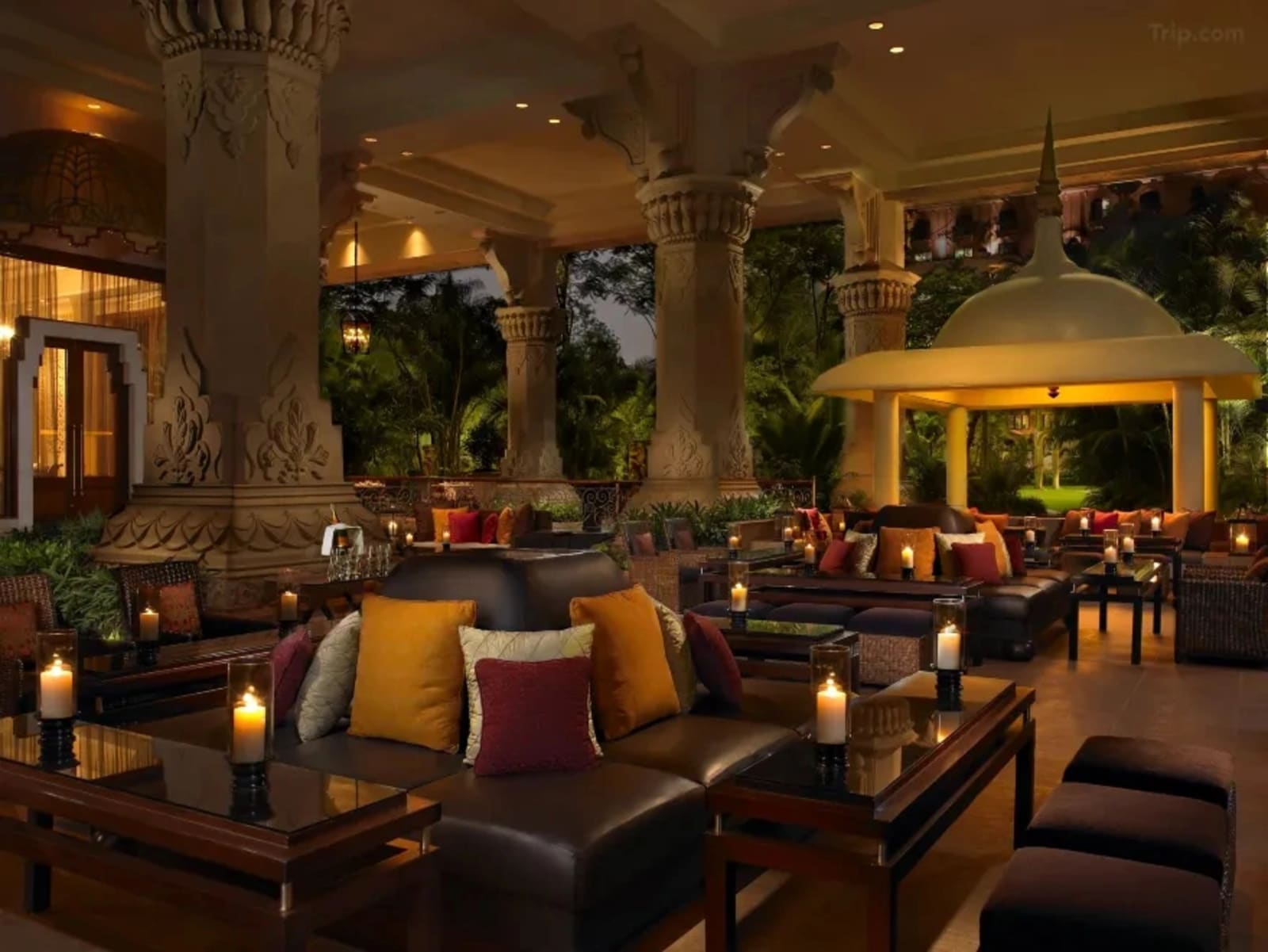
Five venues with the space, the service ethos, and the vegetarian catering capability to honour a Kannada wedding at the level it deserves.
From the Mysore Brahmin muhurtham to the Vokkaliga reception — we bring genuine cultural knowledge to every ritual we plan.