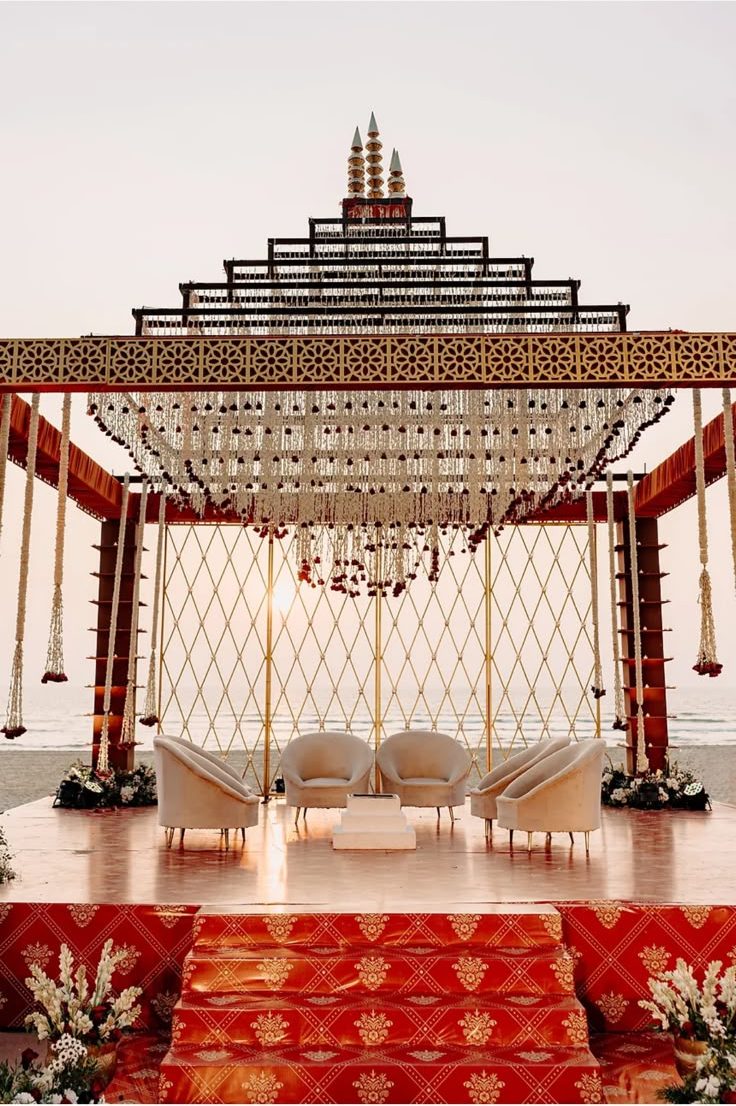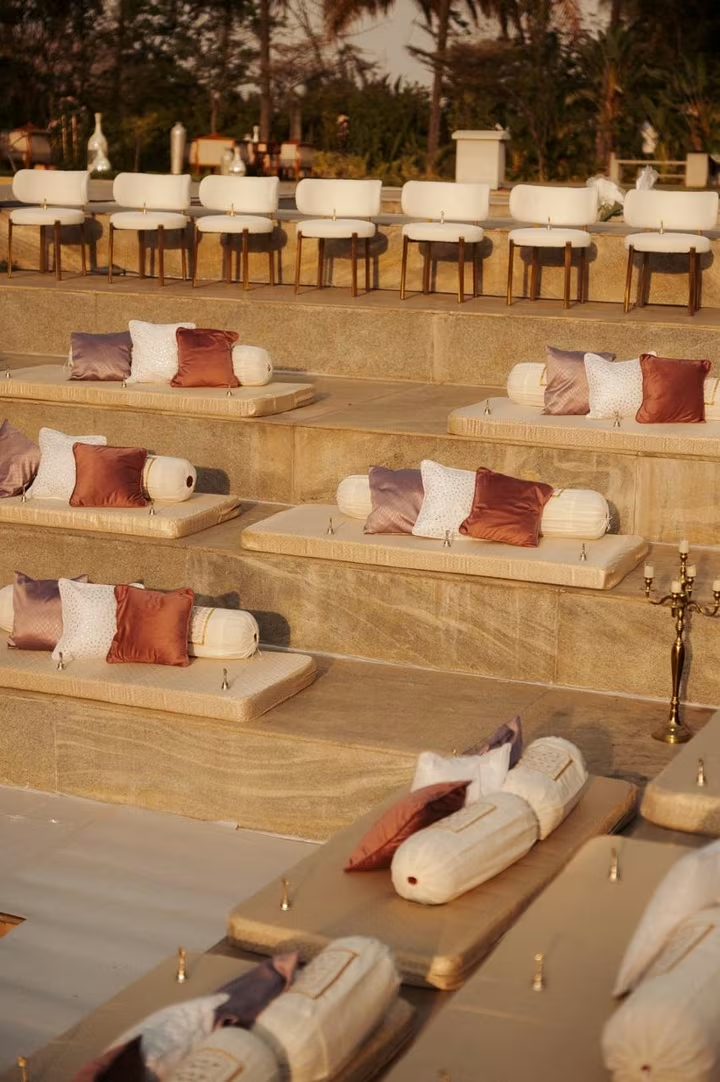
What Makes a Destination Wedding Different from a Local Wedding?
A destination wedding in India is not simply a wedding held somewhere beautiful — it is a fundamentally different logistical, creative, and relational undertaking. Where a local wedding asks guests to travel 30 minutes across the city, a destination wedding asks them to book flights, arrange accommodation, take time off work, and commit to a multi-day journey. This changes everything: the relationship between host and guest, the responsibilities of the wedding planner, the level of hospitality required, and the potential for a genuinely transformative experience — for everyone involved.
The rewards are proportionate to the complexity. A well-executed Indian destination wedding is not just a wedding — it is an event that guests talk about for years, that creates shared memories across family and friend groups, and that provides the couple with a visual and emotional legacy that a local ballroom wedding simply cannot match. Vogue India's wedding section consistently features destination weddings as the aspirational standard for the modern Indian couple — and that influence has only grown.
Planning this yourself? Send us your name and a number, and a planner will reply within 24 hours to talk it through with you, whoever you end up booking.
Panigrahana is a wedding design and planning studio with 500+ weddings since 2018, rated 4.8/5 on Google (checked 27 September 2026). Planning starts at ₹2 lakh per day for two events + GST and decor at ₹5 lakh + GST, quoted for the agreed scope rather than as a percentage of what you spend.
Step 1: Clarify Your Vision Before Anything Else
Here is what you need to know before you open a single venue brochure: start with vision, not logistics. The couple who begins by asking "what does this wedding feel like?" will make infinitely better decisions than the couple who starts with "which venue has the lowest per-plate cost?"
Key vision questions to answer together before starting planning:
- What is the mood we want our guests to feel? (Exuberant and festive? Intimate and romantic? Spiritual and meaningful? Glamorous and theatrical?)
- What is the dominant aesthetic? (Traditional and grand? Contemporary and minimal? Lush and botanical? Heritage and colonial?)
- How many days? (Two functions? Three? Five-day celebrations are increasingly common for destination weddings.)
- Approximate guest count? (Under 100 is intimate and opens very different venue options than 300+.)
- Indoor or outdoor orientation? (Or a mix?)
- What is the non-negotiable — the one thing the wedding absolutely must have?
Step 2: Set Your Real Budget
The second step — before venues, before planners — is establishing a realistic budget. Here is the most important insight we can share: Indian couples almost universally underestimate their destination wedding budget by 30–40%. The initial venue quote looks manageable; then the decor, photography, entertainment, guest accommodation, and transport begin to accumulate.
A realistic all-in budget for a 150-guest, three-day destination wedding at a five-star Indian venue starts at ₹80 lakh. For Goa or Kerala, ₹1–2 crore is typical for this guest count at a premium property. Set your budget with a 20% contingency built in.
For a personalised budget estimate based on your vision and guest count, request a free consultation with our team.
Step 3: Choose Your Destination
The destination choice should flow naturally from your vision. Consider:
- Guest accessibility. Where are most of your guests based? Goa is the most accessible destination wedding location in India. Kerala and Rajasthan require more travel for most guests but deliver extraordinary visual rewards.
- Season alignment. Every destination has its ideal wedding season. Goa: October–March. Kerala: October–February. Rajasthan: October–March. This must align with your preferred wedding date.
- Venue diversity. Does the destination offer sufficient venue options in your aesthetic and budget range?
- International accessibility. If significant guests are coming from abroad, airport connections matter enormously. Goa, Bangalore, Kerala (Cochin and Trivandrum), and Rajasthan (Jaipur) all have good international connections.
Step 4: Hire Your Wedding Planner
Your wedding planner is the most important hire you will make. Hire before you finalise your venue — a good planner will help you negotiate better terms and avoid venues that look beautiful but perform poorly. Key things to evaluate:
- Portfolio quality: Have their past weddings genuinely excited you? Can you see your own vision in their work?
- On-ground presence: Do they have an established team in your chosen destination — not just head-office-to-subcontractor management?
- Communication style: Does this person make you feel held and informed? You are going to work with them for 12–18 months.
- Vendor relationships: Can they open doors that are not available to the general public?
- Contract clarity: Is the scope of services clearly documented? Are payment terms fair?
Step 5: Secure Your Venue
Once your planner is hired, venue selection and booking happens with their guidance. The key principle: do not delay the venue decision. The best Indian destination wedding venues book out 12–18 months in advance for peak season dates. After visiting (or viewing) your shortlisted venues, make your decision and pay your holding deposit within 2–3 weeks. Procrastination here will cost you your first choice.
Step 6: Build Your Vendor Team
After venue and planner, the priority vendor sequence is:
- Photographer and videographer — the best teams have minimal availability
- Catering team (if not bundled with venue)
- Hair and makeup artists — particularly bridal MUA artists who travel
- Entertainment — DJs, live bands, performers
- Mehendi artists — travelling artists book out far in advance for destination weddings
Step 7: Guest Communication and Logistics
Destination wedding guests need significantly more advance information than local wedding guests. Best practices:
- Send save-the-dates 12 months in advance for international guests, 6 months for domestic
- Create a dedicated wedding website with all logistics information
- Negotiate a room block with your venue at a special rate for guests
- Provide airport transfer coordination
- Arrange activities and experiences for guests during downtime between functions
Step 8: The Final Month
With your planner managing vendor coordination, your primary focus in the final month should be:
- Completing your outfit selection and final fittings
- The pre-wedding shoot
- Self-care — Ayurvedic treatments, fitness, rest
- Family time and ritual preparation
- Trusting your planner to handle the logistics
FAQs: Destination Wedding Planning in India
How long does it take to plan a destination wedding in India?
Realistically, 12–18 months for a full luxury destination wedding. Shorter timelines are possible for smaller, simpler celebrations, but anything under 9 months at a premium venue involves significant compromise.
What is the most popular destination wedding location in India?
Goa consistently leads, followed by Rajasthan (Udaipur, Jaipur) and Kerala. Coorg and Pondicherry are growing rapidly as destination wedding locations for couples seeking something different.
Can we have a destination wedding in India on a tight budget?
Yes — but "tight" is relative. A genuinely beautiful 50-guest destination wedding at a boutique property can be done for ₹20–35 lakh. The key is being realistic about what that budget delivers and choosing your non-negotiables wisely.
Begin Your Destination Wedding Journey with Panigrahana
We have planned over 500 destination weddings across India and the world. Let us guide your every step.
Get a Free Consultation