Phuket vs Bali vs Sri Lanka destination wedding — this is the decision that the majority of Indian couples planning an international destination wedding spend the most time deliberating. All three destinations are within 3–5 hours of India's major cities by direct or near-direct flight. All three offer extraordinary tropical scenery, luxury resort infrastructure, and a warm and hospitable cultural environment for Indian wedding celebrations. But they are profoundly different in character, cost, wedding vendor ecosystem, guest experience range, and the type of wedding aesthetic they most naturally support. This guide provides the definitive comparison across eight key dimensions, followed by a summary decision matrix. For Bali depth, read our complete Bali destination wedding guide and our Bali wedding cost breakdown in INR before applying the comparison matrix.
Dimension 1 — Cost
Sri Lanka is the least expensive destination of the three for a full Indian destination wedding. The cost advantage comes from significantly lower venue hire rates, lower local vendor costs (florals, catering, staffing), and the relative strength of the Indian rupee against the Sri Lankan rupee. Bali sits in the middle tier — more expensive than Sri Lanka but typically less expensive than Phuket for comparable quality. Phuket is the most expensive of the three, driven by higher venue hire rates for Thailand's luxury resort stock, the added cost of specialist Indian catering (which requires flying a team from Bangkok or Singapore), and Thailand's higher overall cost of living relative to Bali and Sri Lanka.
Indicative total wedding budgets for 100 guests across a 3-day multi-function programme: Sri Lanka USD 120,000–180,000; Bali USD 150,000–250,000; Phuket USD 200,000–350,000. The Phuket premium is real — couples who choose Phuket are typically prioritising beach quality and resort luxury over cost efficiency.
Dimension 2 — Flights from India
All three destinations are well-served from India's major cities. Sri Lanka is the closest — Colombo is approximately 2–2.5 hours from Chennai, Bangalore, and Mumbai, with multiple daily direct flights on Air India, IndiGo, and SriLankan Airlines. Bali requires a connection through Singapore or Kuala Lumpur from most Indian cities, adding 3–5 hours to journey time; Bali has no direct flights from India. Phuket has direct charter options from some Indian cities and connections through Bangkok or Singapore; journey time from Bangalore or Mumbai is approximately 4–6 hours total. For large Indian wedding groups, the flight logistics are significant — Sri Lanka's short journey time reduces travel fatigue for older guests considerably.
Dimension 3 — Venue Range
Bali wins on venue range — the sheer variety of wedding venue types available in Bali is unmatched in the region. Cliff-top villas in Uluwatu, rice terrace resorts in Ubud, beachfront estates in Seminyak and Jimbaran, jungle retreats, hilltop temples: Bali has a wedding venue for every aesthetic vision. The total inventory of legitimate luxury wedding venues in Bali is larger than Phuket or Sri Lanka. Phuket's venue range is excellent for beach resort weddings — the top tier (Amanpuri, Trisara, Sri Panwa, Rosewood) is world-class — but is more limited in venue type diversity. Sri Lanka's luxury venue stock has grown substantially: Amanwella, Tri Lanka, Cape Weligama, and Anantara Peace Haven are excellent, but the total number of top-tier wedding venues is smaller than Bali or Phuket.
Dimension 4 — Cultural Experience
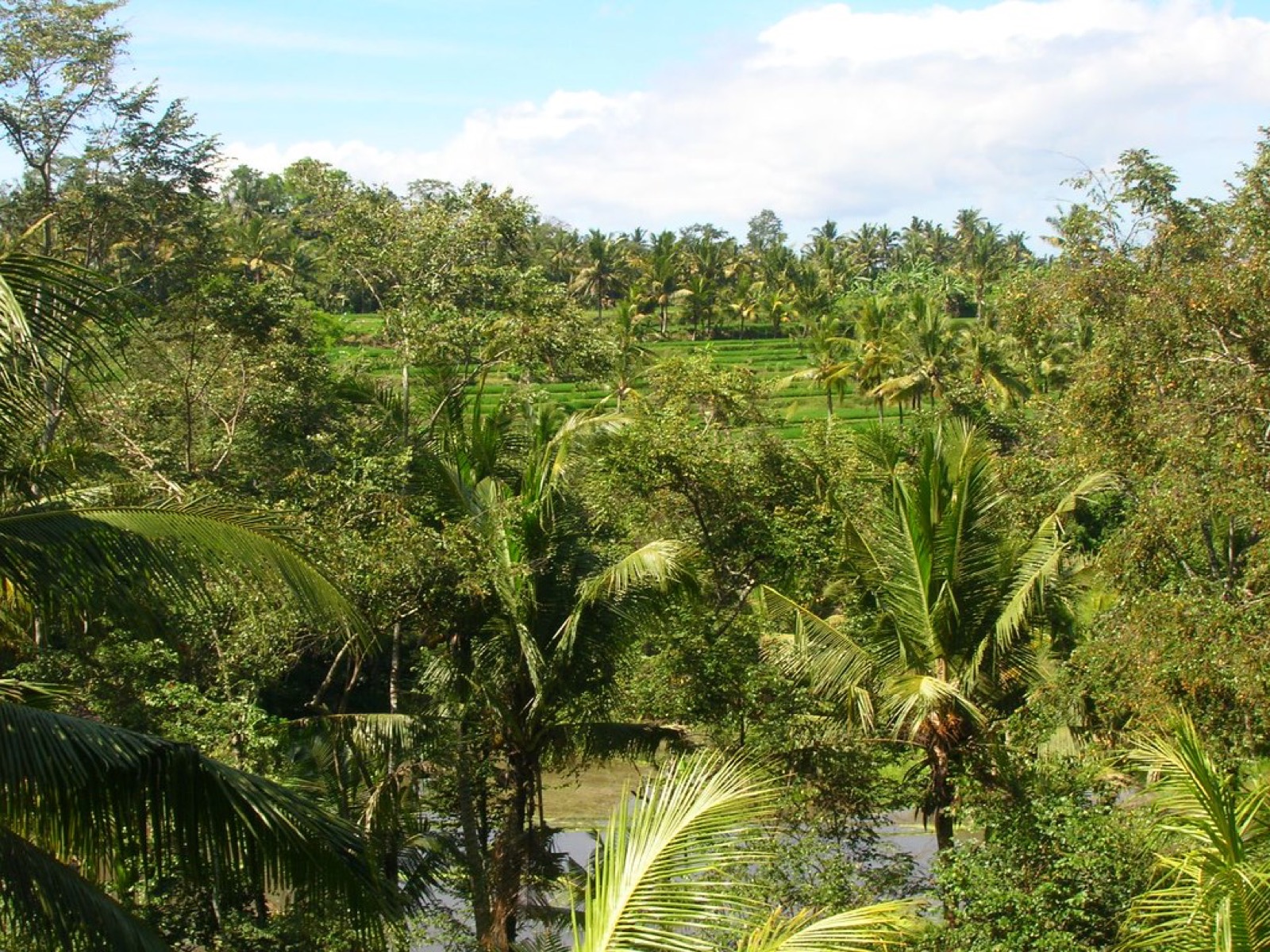
Bali offers the richest cultural immersion of the three destinations — a living Hindu culture that resonates immediately with Indian guests, daily ceremonies and offerings, Kecak fire dance, Wayang shadow puppetry, Ubud's arts village, Tanah Lot temple, and the extraordinary Galungan and Nyepi festivals. Indian Hindu families feel the cultural kinship immediately and deeply. Sri Lanka is the closest geographically and culturally to India — Tamil Nadu is visible on a clear day from the northern coast, the Tamil Hindu culture of the north and east shares direct roots with South Indian tradition, and the Sinhalese Buddhist culture has strong Indian Buddhist connections. Phuket offers a rich Thai cultural experience — the temples, the food culture, the ceremonial life — but is less immediately accessible to Indian guests than either Bali or Sri Lanka.
Dimension 5 — Beach Quality
Phuket wins on Andaman Sea beach quality — the west coast beaches from November to April are among the finest in Southeast Asia: clear turquoise water, white sand, consistent calm conditions, excellent swimming. Bali's beaches are more variable: Nusa Dua and Jimbaran have good swimming beaches; Seminyak and Kuta are spectacular for sunsets but the water can be rough and brown-tinted. Uluwatu's cliff-backed beaches are visually extraordinary but not suitable for wedding events at the beach level. Sri Lanka's south coast beaches (Tangalle, Mirissa, Weligama) are beautiful and completely uncrowded, but the Indian Ocean swell can make swimming challenging and conditions variable even in dry season.
Dimension 6 — Photography
All three destinations offer world-class wedding photography environments. Bali's visual variety is the highest: rice terraces, temples, cliffs, jungles, beaches, and the extraordinary quality of light in the Ubud highlands. Phuket's limestone formations (at Phang Nga Bay), its sunset Andaman seascapes, and the architectural quality of its top resorts produce exceptional wedding photography. Sri Lanka's visual range — colonial tea estates in the hill country, ancient temples at Sigiriya and Polonnaruwa, pristine beaches, the stilt fishermen of Koggala — is extraordinary but often requires significant travel between photographic environments. For couples prioritising an exceptional pre-wedding shoot, Bali and Phuket both outperform Sri Lanka in accessibility of visual variety.
Dimension 7 — Legal Requirements
Dimension 8 — Guest Experience Range
Bali offers the best guest experience range of the three — the most diverse and accessible range of activities for different age groups and interest types within a compact geography. Phuket is excellent for sea-based activities but weaker for cultural depth. Sri Lanka has extraordinary cultural and natural experiences but is geographically sprawling — top experiences require significant travel from coastal wedding venues.
The Summary Matrix
| Dimension | Phuket | Bali | Sri Lanka |
|---|---|---|---|
| Cost | High | Mid | Low–Mid |
| Flight from India | 4–6 hours | 5–7 hours | 2–3 hours |
| Venue Range | Excellent | Outstanding | Good |
| Cultural Experience | Good | Outstanding | Excellent |
| Beach Quality | Outstanding | Good | Good |
| Photography | Outstanding | Outstanding | Excellent |
| Legal (symbolic recommended) | All symbolic | All symbolic | All symbolic |
| Guest Experience Range | Excellent | Outstanding | Excellent |
The decision framework Panigrahana uses with couples: choose Phuket if beach quality and Andaman Sea setting are the primary value. Choose Bali if cultural richness, venue variety, and guest experience breadth are the primary values. Choose Sri Lanka if proximity to India, cost efficiency, and cultural connection for South Indian families are the primary values.
Budgeting first? See the Phuket wedding cost for Indian couples — events cost ₹30 lakh to ₹1.5 crore by guest count, with a per-guest table.
Read our complete Bali destination wedding guide to explore Bali in depth. See our Phuket destination wedding guide for the full Thailand picture. Bali vs Phuket in depth and Bali vs Sri Lanka in depth are the two-way comparisons for couples who have narrowed to those pairs. Talk to Panigrahana — our team plans Indian destination weddings in all three destinations and can guide you to the right choice for your specific priorities.
Frequently Asked Questions
Which is cheaper for an Indian destination wedding — Phuket, Bali, or Sri Lanka?
Sri Lanka is the least expensive. Indicative total budgets for 100 guests: Sri Lanka USD 120,000–180,000; Bali USD 150,000–250,000; Phuket USD 200,000–350,000. The Phuket premium reflects higher venue rates, specialist Indian catering costs, and Thailand's higher cost of living. Panigrahana provides detailed budget modelling for all three destinations.
Which destination offers the best guest experience — Phuket, Bali, or Sri Lanka?
Bali offers the broadest and most accessible guest experience range — diverse activities for all age groups and interests within a compact geography. Phuket excels for sea and beach activities. Sri Lanka has extraordinary cultural and natural experiences but is geographically sprawling, requiring significant travel from coastal venues.
Is a wedding legally recognised in Phuket, Bali, or Sri Lanka for Indian couples?
Panigrahana strongly recommends treating all three destinations as symbolic celebrations and completing Indian legal registration in India. Thailand, Indonesia/Bali, and Sri Lanka all have complex legal requirements for foreign nationals that are best avoided. The symbolic ceremony approach is used by the vast majority of Indian destination wedding couples.
Which destination has the best beaches — Phuket, Bali, or Sri Lanka?
Phuket wins for beach quality — the Andaman west coast beaches from November to April are among Southeast Asia's finest: clear turquoise water, white sand, calm conditions. Bali's beaches are variable; Nusa Dua is best. Sri Lanka's south coast beaches are beautiful but can have challenging Indian Ocean swell conditions.
Phuket vs Bali vs Sri Lanka — Panigrahana Plans Them All
Three Destinations. One Expert Team.
Panigrahana plans Indian destination weddings in Phuket, Bali, and Sri Lanka. Talk to our team about which destination is right for your wedding vision, guest group, and budget.
Begin Your Story