The Multi-Day Indian Wedding: A Unique Planning Challenge
A 3-to-5-day Indian wedding is unlike any other event format in the world. It requires sustained creative excellence across multiple different event types — mehendi, haldi, sangeet, ceremony, reception — while maintaining consistent design quality, guest energy, and logistical flow. Getting this right requires deep experience.
Panigrahana has planned over 200 multi-day Indian weddings. Here is our definitive guide.
Planning this yourself? Send us your name and a number, and a planner will reply within 24 hours to talk it through with you, whoever you end up booking.
Panigrahana is a wedding design and planning studio with 500+ weddings since 2018, rated 4.8/5 on Google (checked 27 September 2026). Planning starts at ₹2 lakh per day for two events + GST and decor at ₹5 lakh + GST, quoted for the agreed scope rather than as a percentage of what you spend.
The Classic 3-Day Indian Wedding Format
Day 1: Arrival & Welcome
Guests arrive, check in, settle. A welcome event in the evening — cocktail hour, informal dinner, or a casual lawn gathering — sets the tone. This should feel relaxed and warm, not formal. Allow guests to arrive throughout the day; schedule the welcome event for 7 PM onwards.
Day 2: Mehendi, Haldi & Sangeet
The most event-dense day — typically mehendi and haldi in the morning/afternoon (informal, joyful, photo-rich), followed by the sangeet in the evening (the high-energy, choreographed entertainment event). The design direction of these three events should flow — the same colour family, complementary florals, a sense of narrative progression.
Day 3: Baraat, Ceremony & Reception
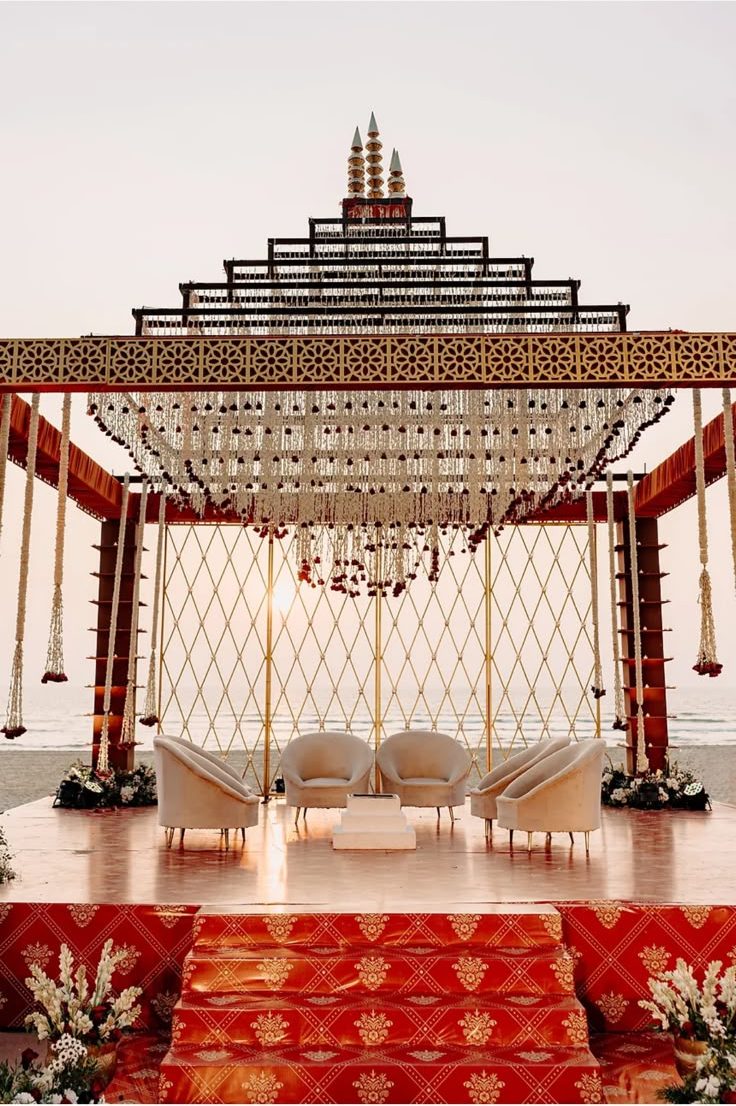
The main wedding day. The baraat arrives in the morning or early afternoon; the ceremony follows (typically 2–4 hours); the reception is in the evening. This is the design centrepiece — the mandap, the ceremony florals, the reception decor — everything should feel like the visual climax of the three-day arc.
Extending to 4 or 5 Days
Additional days allow for: a more elaborate pre-wedding dinner on Night 0; separate venues for ceremony and reception; a morning haldi and afternoon mehendi rather than combined; a farewell brunch on the final morning. Each additional day adds warmth and guest experience but requires proportionally more planning and budget.
Design Consistency Across Events
The most common mistake in multi-day weddings is treating each event as a separate design project. This results in a disjointed visual experience — guests experience three completely different weddings rather than one cohesive celebration. At Panigrahana, we design all events as chapters in a single story — connected by colour, material, and design language, distinct in mood and intensity.
Guest Experience Across Multiple Days
- Pacing is everything: Long gaps between events exhaust guests and dissolve momentum. Keep the day's schedule tight but not rushed.
- Communication is continuous: Share a daily event schedule with guests each morning — WhatsApp groups work well for this.
- Transport is non-negotiable: Provide shuttle service between accommodation and all venues. Guests should never be uncertain about logistics.
- Dietary accommodation: With guests staying multiple days, ensure dietary requirements (vegetarian, vegan, Jain, halal, allergies) are tracked and met at every meal.
- Activity programming: For destination weddings, programme activities between events — excursions, spa appointments, local experiences — so guests never feel at a loose end.
Let Panigrahana Plan Your Multi-Day Wedding
We specialize in multi-day Indian celebrations — every event, every detail, every day. Start a conversation.
Plan My Multi-Day Wedding