WhatsApp Us Get a Quote

Sustainable Wedding Design · Bangalore

Weddings That
Love the Earth

A beautiful wedding and an ecological conscience are not in conflict. Panigrahana has been thinking about sustainable wedding design since 2019, when our founders came from architecture.

Plan an Eco-Conscious Wedding About Our Studio
The Ecological Reality

Why Sustainability Matters
for Weddings

A traditional 500-person Indian wedding has a significant ecological footprint — much of it invisible to the people celebrating it. A rough accounting: approximately 250–400 kg of food is wasted (surplus catering is standard practice in the industry). An estimated 60–80 kg of single-use plastic is used and discarded in disposable cups, plates, packaging, and decoration. Imported flowers — common in luxury wedding decor — arrive by air freight, generating substantial carbon per kilogram. Diesel generators power outdoor events, emitting particulates alongside electricity. Thermocol (polystyrene) decor elements are non-biodegradable and often burned after the event.

None of this is mentioned to induce guilt. It is mentioned because Bangalore's most thoughtful couples — many of them working in tech and global industries where sustainability thinking is embedded — are aware of this footprint and increasingly motivated to reduce it. They are not asking for a lesser wedding. They are asking for a smarter one: the same quality of beauty, but produced through decisions that align with their values.

This is exactly the problem that architecture is trained to solve. Panigrahana's founders come from a discipline that has been thinking about material ecology, resource efficiency, and the relationship between built form and environment for decades. Our sustainable wedding design practice is not a new addition to our offering — it is a natural expression of how we think about design fundamentally.

Our Commitments
Locally Sourced Florals
All primary florals from within 300km — Mysore, Ooty, Hebbal market. No air-freighted flowers for structural applications.
Natural Material Decor
Banana stem, bamboo, terracotta, jute, cotton — all biodegradable. Zero thermocol in our designs.
Composting Protocol
All post-event floral waste is composted through our partner facility. Nothing goes to landfill.
LED Lighting Throughout
100% LED lighting rigs — approximately 80% lower energy consumption than traditional incandescent wedding lighting.
Plant-Based Gifting
Saplings, seed packets, terracotta gift sets — meaningful favours that guests actually value and that generate no plastic waste.
Design Principles

How Panigrahana Designs
Sustainably

Sustainability in wedding design is not a single decision — it is a series of material, logistical, and aesthetic choices that compound across every element of the event.

Local Flower Sourcing

Panigrahana sources all primary florals from farms within 300km of Bangalore — Mysore's jasmine farms, Ooty's rose estates, local chrysanthemum and gerbera growers. This eliminates air-freight carbon for the vast majority of our floral volume. The economics also work in the couple's favour: local flowers at the same quality level cost 30–60% less than imported equivalents.

Natural Material Decor

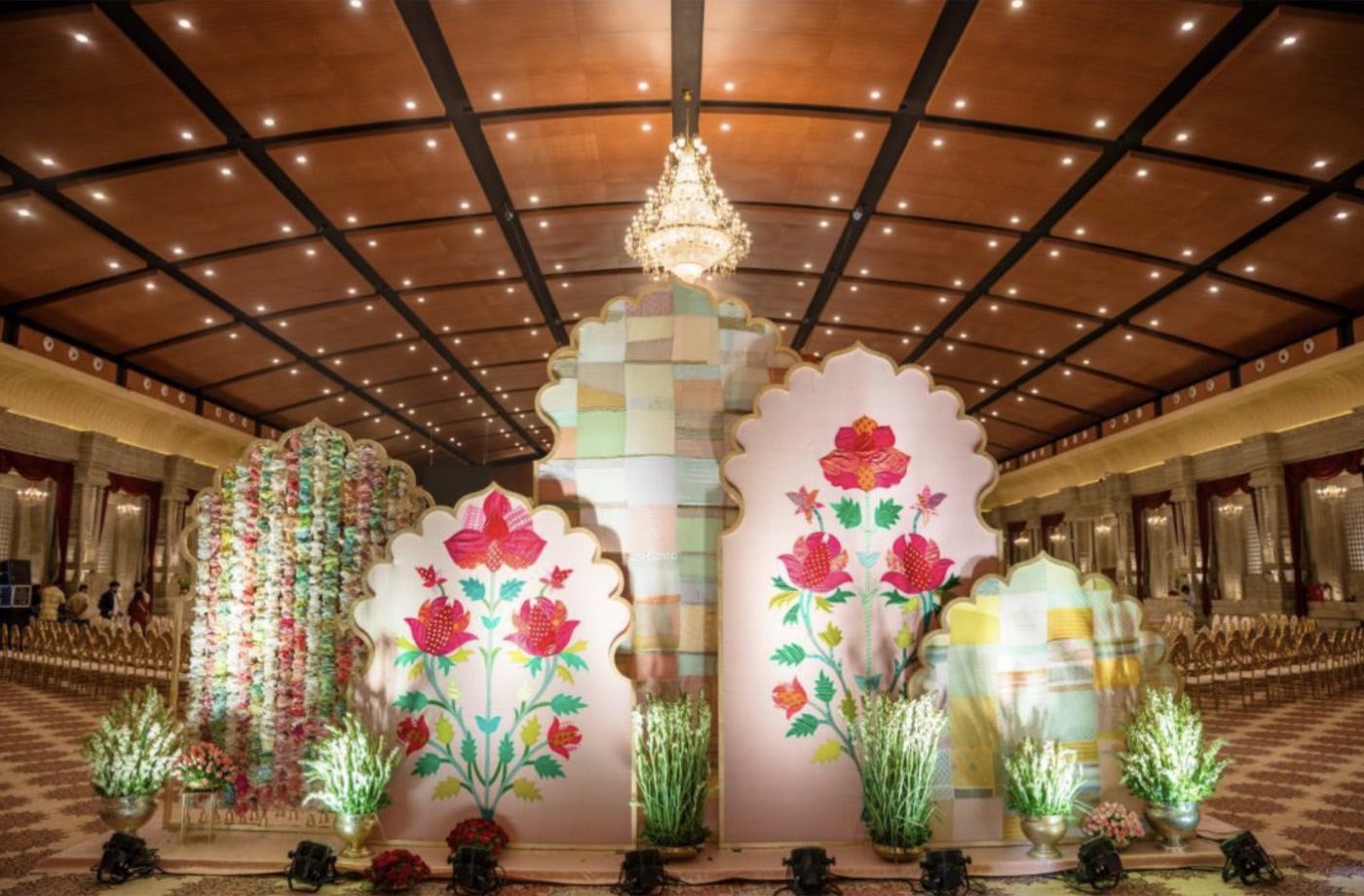
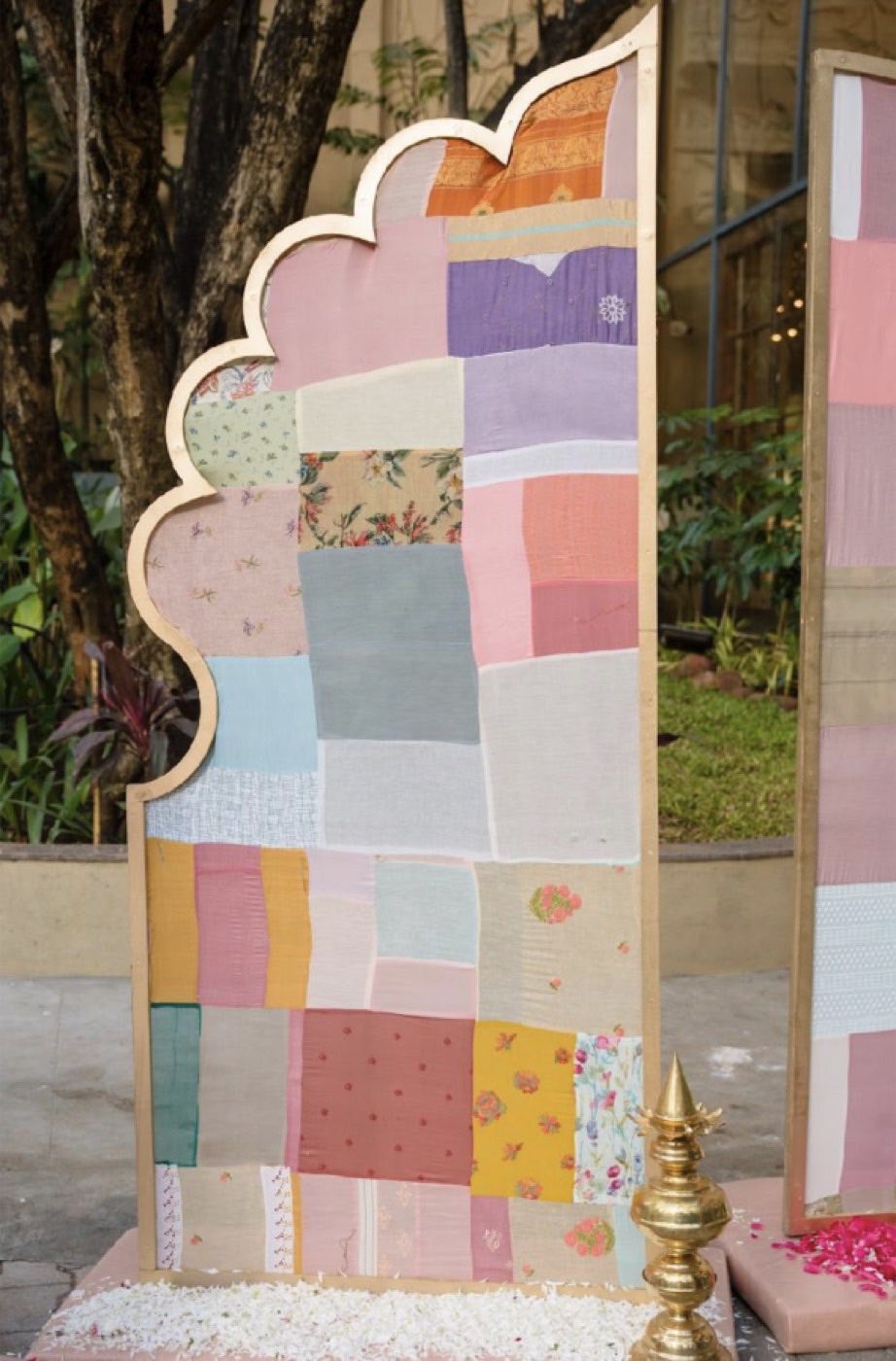
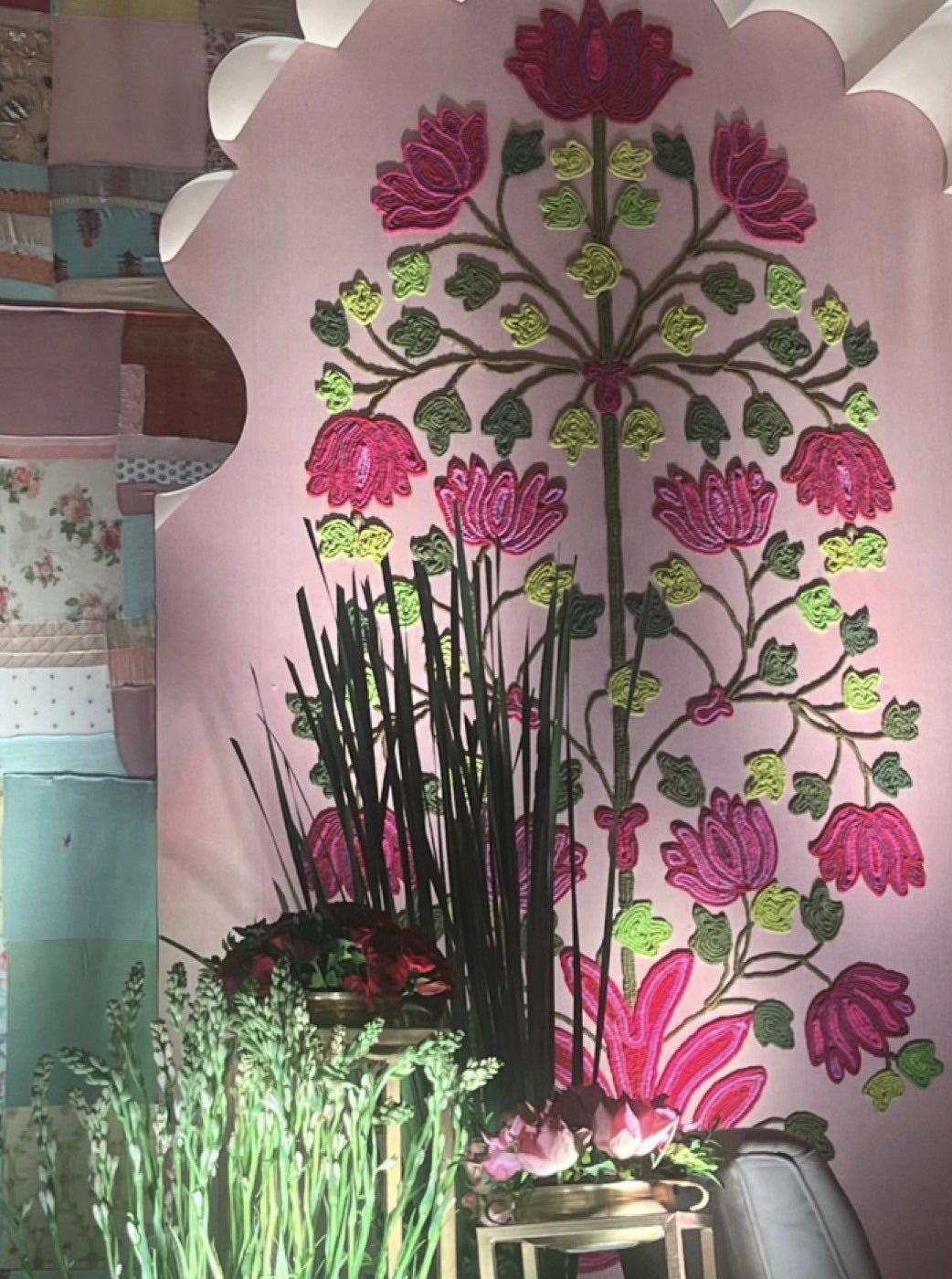
We design all structural decor elements from natural, biodegradable materials: banana stem for arches and pillars, bamboo for frameworks and screens, terracotta for vessels and accents, jute and cotton fabric for draping, unprocessed wood for signage. No thermocol, no synthetic fabric flowers, no plastic in any structural element. The visual quality of natural materials is, in our view, consistently superior to synthetic alternatives.

Post-Event Composting

At the end of every event, all floral waste is collected and transferred to our composting partner within 24 hours. The compost is made available to urban farms and green initiatives in Bangalore. This protocol ensures that the enormous volume of fresh plant material used in a wedding returns to the soil rather than landfill. Couples receive a composting certificate documenting the volume diverted.

LED Lighting Design

Panigrahana's lighting rigs are 100% LED — no traditional incandescent wedding lighting. The energy saving is approximately 80% compared to conventional setups. Equally important: LED lights run cooler, which is better for fresh flowers in warm environments and reduces the venue's cooling load. The quality of modern LED warm-white light is indistinguishable from traditional filament in photographs.

Plant-Based Gifting

We work with couples to design wedding favours that are meaningful and generate zero plastic waste: terracotta pots with saplings, handmade seed packets with personalised cards, small jute bags of organic spices or coffee (particularly appropriate for Coorg weddings). Guests actually keep and value these gifts — the sapling that a guest receives at your wedding and watches grow in their home for years carries the wedding's memory forward in a way that a plastic-wrapped gift cannot.

Zero Single-Use Plastic

Panigrahana specifies no single-use plastic in any event we produce — no disposable cups, no plastic-wrapped packaging in setup, no synthetic glitter or confetti. Where vessels are needed, we use biodegradable alternatives: leaf cups, terracotta kulhads, or washed and reused brass and copper vessels. This requires advance coordination with caterers and all vendors; we manage this briefing as part of our standard vendor coordination process.

Where to Celebrate

Venue Selection for
Eco-Conscious Weddings

Not all venues are equal on sustainability credentials. These are the Bangalore-region properties with genuine ecological commitments — not greenwashing.

ITC Gardenia Bangalore
India's first LEED Platinum certified luxury hotel

ITC Gardenia holds LEED Platinum certification — the highest standard in sustainable building design. The property uses rainwater harvesting, solar power generation, in-house organic waste composting, and a 'Responsible Luxury' catering protocol that sources locally and minimises food waste. For a couple who wants their venue's sustainability credentials to be verifiable — not just stated — ITC Gardenia is the benchmark for luxury hotel weddings in Bangalore. The wedding spaces themselves are outstanding: The Lotus Garden, The Grand Ballroom, and the pool deck are all exceptional settings.

The Tamarind Tree
Minimal footprint · Natural garden · On-site composting

Tamarind Tree's garden setting is designed around its existing mature trees — not cleared for a venue, but built within it. The property composts on-site, uses limited artificial lighting in favour of natural garden ambience, and serves food from local suppliers. Its intimate scale (50–200 guests is the sweet spot) means lower resource consumption per event than a large hotel. For an eco-conscious couple who also wants extraordinary photographic results, Tamarind Tree sits at a rare intersection of beauty and ecological integrity.

Samavana
Forest clearing · Ecological mindfulness · Natural setting

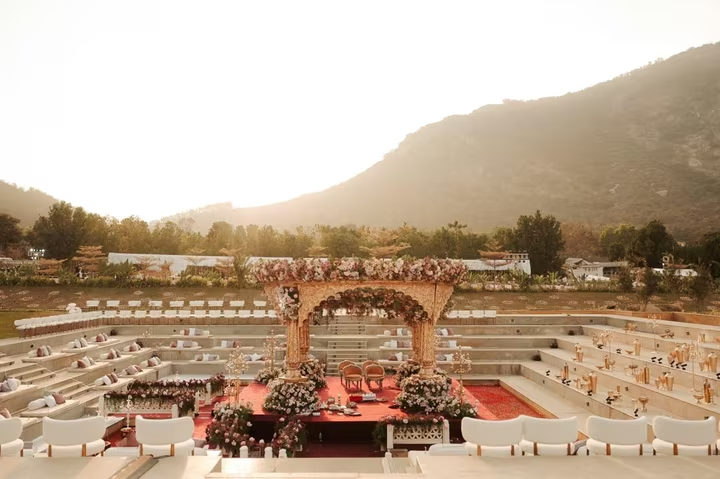
Samavana is designed with ecological consciousness as a foundational value, not an add-on. Set within a forested landscape south of Bangalore, the venue's physical design integrates with rather than displaces the natural environment. Water management, waste protocols, and catering sourcing are all designed with a sustainability brief. The setting — particularly for intimate 20–80 guest celebrations — produces a visual and sensory experience that no hotel can replicate: the sound of the forest, the quality of natural light through a canopy, the smell of open earth and trees.

Evolve Back Coorg (Destination)
Coffee estate · 90 minutes from Bangalore · Ecological resort

Evolve Back's Coorg property is built within an operational coffee estate, which means the ecological health of the surrounding land is embedded in the resort's economic model. The property practices integrated waste management, local sourcing for all catering, and minimal chemical use in its landscaping. For couples who want a destination wedding with genuine ecological credentials — and are willing to make the 90-minute drive from Bangalore — Evolve Back Coorg is the clearest choice in the region.

Eating Well, Wasting Nothing

Sustainable Catering
for Bangalore Weddings

Catering is the single largest source of ecological impact in a wedding — both in terms of sourcing (where food comes from) and waste (how much is not eaten). A standard 500-person Indian wedding is likely to over-order by 30–40% as a hedge against running short — generating enormous quantities of food waste at the end of the evening. Panigrahana works to change this at the planning level: accurate headcount management, phased catering (serving in smaller batches rather than putting all food out simultaneously), and agreements with NGO partners to redistribute any surplus to evening meal programmes in Bangalore.

Several Bangalore caterers now specialise in farm-to-table formats. The most committed work with organic farms within 200km, can trace every ingredient to its source, and use biodegradable serving ware exclusively. We will make introductions based on your cuisine preferences and guest count. For plant-forward menus — genuinely exceptional vegetarian South Indian formats, or contemporary plant-based menus for mixed-community couples — the options in Bangalore are better than most people realise.

For couples choosing ITC Gardenia, the hotel's in-house 'Responsible Luxury' catering protocol does much of this work automatically. Their kitchen has established supply chain relationships with Karnataka farmers, a composting programme for kitchen waste, and a surplus food donation protocol already operational. This is one reason ITC Gardenia is our first recommendation for eco-conscious couples who want a large, formal hotel wedding.

On the servingware question: traditional South Indian food served on banana leaf is not only ecologically sound — it is culturally appropriate and aesthetically beautiful. A banana leaf lunch service at a Tamil, Kannadiga, or Keralite wedding is completely authentic and generates zero waste from serving vessels. For reception dinners, buffet service on brass and bronze thalis (rented, washed, and reused) produces no disposable waste whatsoever and adds a distinctly Indian material elegance to the service experience.

Honest Assessment

What You Give Up &
What You Gain

We won't pretend every sustainable choice is cost-neutral or limitation-free. Here is an honest accounting of the real trade-offs.

What You Gain
  • Authenticity — natural materials have a beauty that synthetic alternatives consistently lack
  • Cost savings on florals — local flowers are substantially cheaper than imported equivalents
  • Better photography — natural materials, warm LED light, and organic textures photograph beautifully
  • Guest experience — the scent of real jasmine, the texture of banana stem, the warmth of terracotta are tactilely rich in ways plastic is not
  • Values alignment — your wedding day reflects the things you actually believe in
  • Venue synergy — eco-credentialed venues like ITC Gardenia already have systems in place that make sustainable production simpler
What You Give Up
  • Some imported flower varieties — lily-of-the-valley, specific Dutch rose colours, certain orchid types are not locally available
  • Local flowers are more weather-affected — a hot day in Bangalore affects fresh flowers more than cold-chain imported varieties
  • Higher initial cost for organic materials in some categories — bamboo structures and terracotta vessels cost more than thermocol equivalents
  • Slightly more logistical complexity — coordinating a zero-plastic catering brief across multiple vendors requires active management
  • Some flexibility in colour palette — entirely local florals give you a somewhat narrower colour range than a fully imported palette would

On balance, a thoughtfully designed eco-conscious Bangalore wedding runs within 5–10% of the cost of a conventional wedding at the same quality level. The ecological gains — and the personal integrity of celebrating in alignment with your values — are, in our view, worth considerably more than that difference.

FAQ

Sustainable Wedding
Questions Answered

Does an eco-friendly wedding cost more in Bangalore?

It depends on which elements you compare. Some sustainable choices cost more: organic florals are premium; bamboo and terracotta decor costs more than thermocol equivalents; LED systems require upfront investment. Other sustainable choices save money: locally sourced flowers cost 30–60% less than imported equivalents; natural materials like banana stem and jute are inexpensive; better food waste management reduces catering costs. On balance, a thoughtfully designed eco-conscious Bangalore wedding runs within 5–10% of a conventional wedding at the same quality level.

Can we have a beautiful floral setup without imported flowers?

Absolutely — for most South Indian wedding traditions, locally sourced florals are not just sufficient but preferable. Jasmine from Mysore, roses from Ooty, marigold, chrysanthemum, lotus, tuberose, and gerbera from farms within 300km of Bangalore produce extraordinary results. Some of India's most beautiful wedding photography features all-local florals. The honest limitation is variety: certain imported flower types offer specific colours or forms not available locally. We can design around local availability while maintaining full creative ambition.

Are there sustainable catering options in Bangalore?

Yes — and the list is growing. Several Bangalore caterers specialise in farm-to-table formats working with organic farms within 200km. ITC Gardenia has an established 'Responsible Luxury' protocol that includes composting kitchen waste and local sourcing. Panigrahana works with caterers who commit to no single-use plastic, serve in banana leaf (traditional and ecological), and donate surplus to NGO partners. For plant-forward menus, multiple caterers now offer South Indian vegetarian formats that are genuinely exceptional in quality.

What materials should we avoid in wedding decor?

The primary materials to eliminate are thermocol (polystyrene foam) — non-biodegradable, produces toxic fumes when burned; single-use plastic in any form; PVC flex printing on signage and backdrops; synthetic fabric flowers (essentially plastic); and glitter, which is microplastic and contaminates water systems. Natural replacements are all available: banana stem instead of thermocol, cotton and jute fabric instead of synthetic, terracotta pots instead of plastic, seed-paper invitations. The aesthetic quality of natural materials is consistently higher than the synthetics they replace.

Begin Here

Plan a Wedding That
Reflects Your Values

Tell us about your sustainability goals alongside your aesthetic vision. We'll design a celebration that honours both with equal care.

Start the Conversation