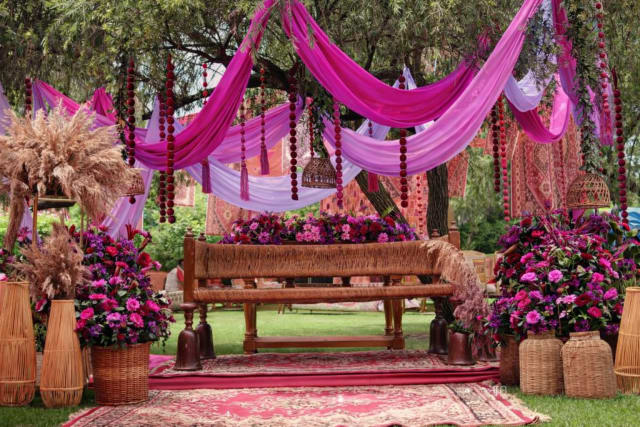
In a big joint family, clashing opinions are rarely really about the flowers or the menu — they are about people wanting to feel seen and included in a milestone that matters to them. Treat it as an emotional-design problem, not a decision-making bottleneck, and it eases considerably.
Separate voice from vote. Everyone deserves to be heard; not everyone can decide every item. Agree early, and openly, on who holds the final call for each area — usually the couple, with two or three trusted elders.
Give people ownership, not vetoes. Assign a relative something meaningful to lead — the family lunch, a ritual, guest welcomes. Ownership channels energy that would otherwise become commentary.
Let a neutral third party carry the "no". This is quietly one of a planner's most valued roles: we can absorb a difficult message so it never becomes a family rift across the dinner table.
Decide once, in writing. Reopened decisions are where tension festers; a shared plan settles them.
We have guided many large families through exactly this, and the weddings that feel warmest are usually the ones where everyone had a role. Read on for the fuller framework.