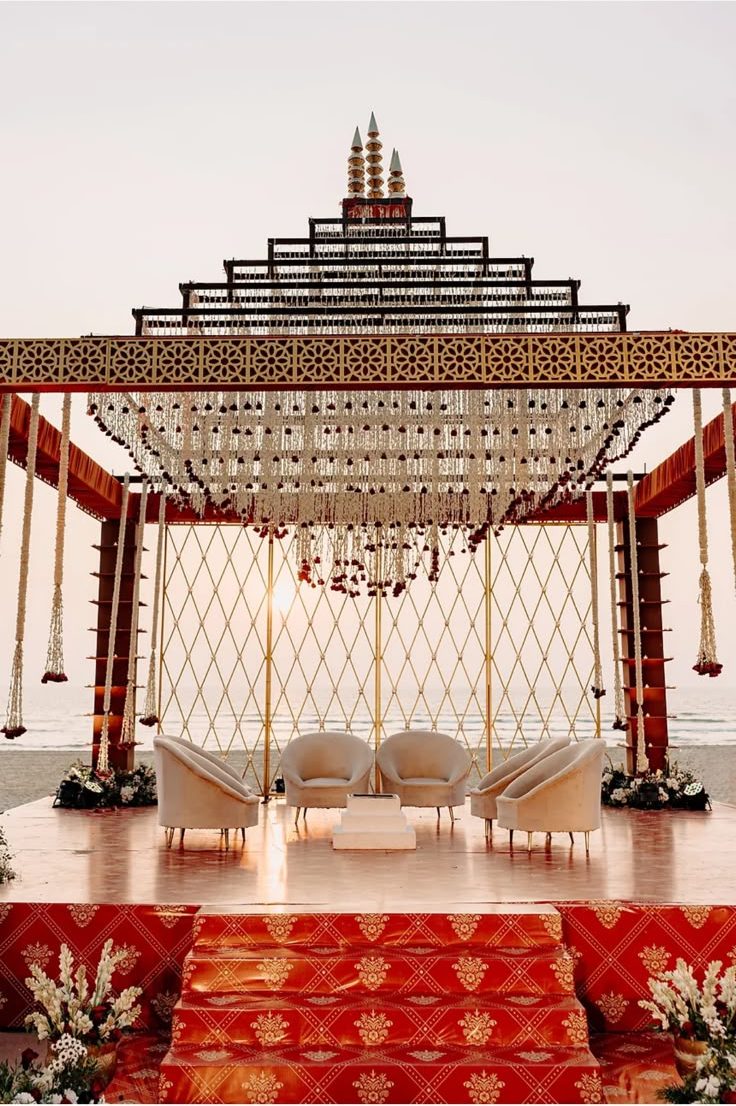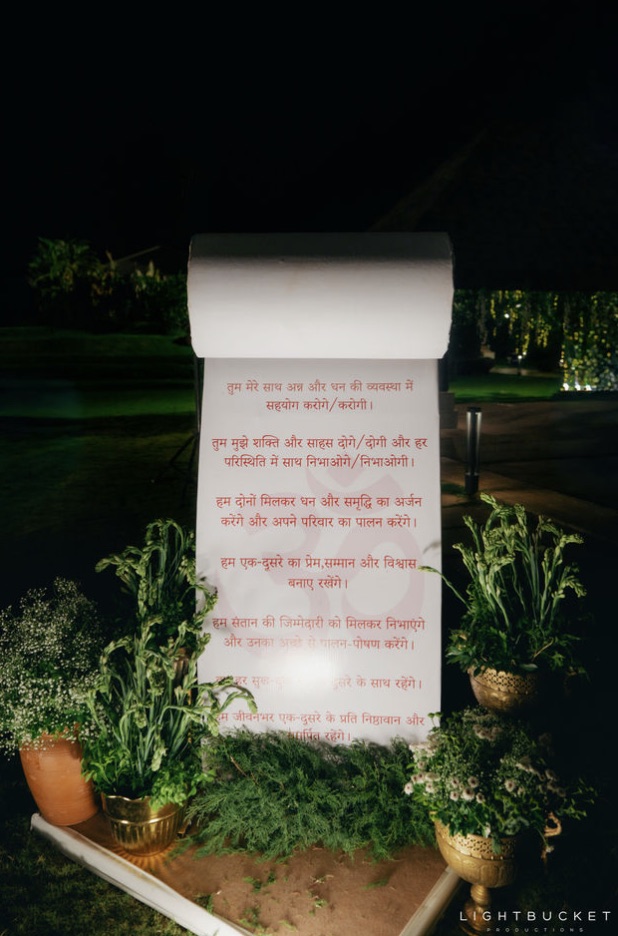
A growing share of the weddings we plan are, legally speaking, anniversaries: the couple registered months earlier at a sub-registrar's office with two witnesses and no photographer, and the wedding — the mandap, the sangeet, the six hundred guests — happens on its own schedule. The pattern has quietly become one of the most practical structures in Indian wedding planning, and it deserves a proper playbook rather than the whispered version.
Why couples sequence it this way
The reasons are usually logistical before they are romantic. Visas and postings: a spouse visa, a job relocation or a university start date needs the certificate now; the celebration needs a venue, a season and two extended families, which takes a year. Interfaith timing: the civil route for interfaith couples carries a notice period and paperwork calendar of its own — running it well ahead of the wedding separates the bureaucratic stress from the celebratory one. The calendar crunch: when the muhurtham-dense months are booked solid, registering now and celebrating in the right month beats compressing both into the wrong one. And sometimes, honestly: the couple wants the marriage settled as theirs before the wedding becomes everyone's. All four are good reasons. None requires secrecy — which is the playbook's one real rule, below.
Planning this yourself? Send us your name and a number, and a planner will reply within 24 hours to talk it through with you, whoever you end up booking.
Panigrahana is a wedding design and planning studio with 500+ weddings since 2018, rated 4.8/5 on Google (checked 27 September 2026). Planning starts at ₹2 lakh per day for two events + GST and decor at ₹5 lakh + GST, quoted for the agreed scope rather than as a percentage of what you spend.
The mechanics: two calendars, cleanly separated
The legal calendar runs on its own rails: the registration route your situation requires (same-faith couples can often register under their personal law after a religious ceremony, while the civil route serves interfaith and many overseas cases, with its notice period and document lists), the certificate, and the downstream paperwork — name changes, bank and passport updates, visa filings — that the certificate unlocks. The celebration calendar then runs free of all of it: venue by season and budget rather than by registrar availability, the muhurtham computed for the ceremony that matters to the family, and no legal dependency anywhere in the wedding week. One genuine planning note: decide which date the family will treat as the anniversary early, because invitations, cakes and grandmothers will all ask. Couples split evenly on this, and either answer works when it is chosen rather than discovered.
The family conversation
The pattern's only real failure mode is the wedding-day reveal — an uncle learns at the reception that the couple has been married since March, and a beautiful evening acquires an asterisk. The fix costs one conversation: tell the inner family before the registration, framed for what it is — paperwork scheduled for practical reasons, with the real wedding coming on the family's terms. In our experience elders accept the sequence readily when told early and resent it only when told late; the tradition they are protecting is the ceremony, and the ceremony is precisely what this structure protects. For the wedding itself, nothing changes: the rites are performed whole, the muhurtham is honoured, and no priest we have worked with treats an existing civil registration as diminishing the religious ceremony — many families have quietly run this sequence for generations around visas and postings.
Where the wedding then gets to go
Here is the quiet advantage nobody advertises: a couple whose paperwork is done is the freest client in wedding planning. The celebration can be in Goa in October instead of a hometown December, can wait for the venue the couple actually wants, can even — as our foreign-couples guide details for international pairs — happen in a country whose marriage bureaucracy the couple never has to touch. The certificate is the anchor; the wedding becomes pure celebration, designed on its own merits. That is not a lesser wedding. It is frequently the better-planned one.