Every budget-percentage article on the internet quotes one set of numbers as if all weddings were the same purchase. They are not. Across the weddings our group runs, three formats produce three different splits — and knowing which format you are in matters more than any percentage, because it tells you which line will try to eat the others.
The hall wedding: catering eats everything
At a day-rental hall or mantapa wedding — the classic large South Indian format — catering is routinely six or seven parts in ten of the entire budget, because the guest count is huge and the venue line is small. Decor and photography share most of the rest. The planning consequence: at this format, menu decisions ARE budget decisions, negotiating the plate count is worth more than negotiating anything else, and cutting a hundred guests saves real money in a way it does not at other formats.
Planning this yourself? Send us your name and a number, and a planner will reply within 24 hours to talk it through with you, whoever you end up booking.
Panigrahana is a wedding design and planning studio with 500+ weddings since 2018, rated 4.8/5 on Google (checked 27 September 2026). Planning starts at ₹2 lakh per day for two events + GST and decor at ₹5 lakh + GST, quoted for the agreed scope rather than as a percentage of what you spend.
The destination weekend: stay eats everything
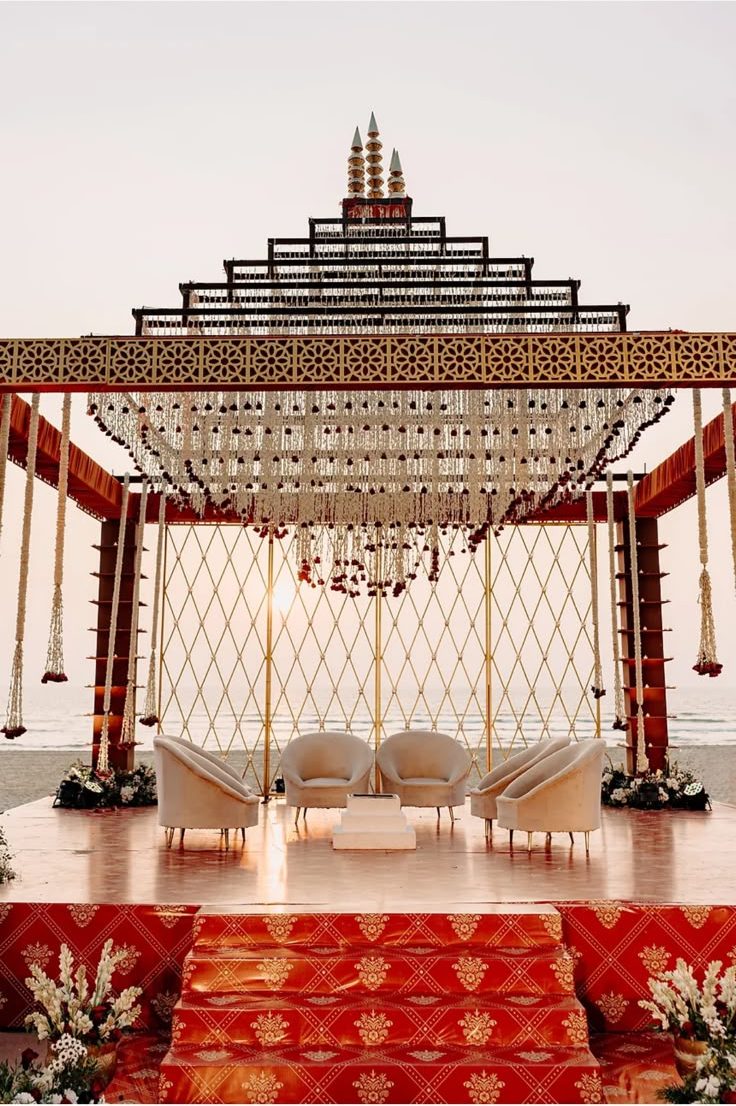
Move the same family to a resort for two nights and the split inverts: the room block at a two-night minimum becomes the largest line — frequently ahead of all catering combined — with food second and decor third. The planning consequence: guest count is the nuclear lever (each additional couple is a room, two nights, four meals), the month multiplies the whole budget at once, and the room-block contract deserves the attention families usually spend on the menu.
The city hotel wedding: the venue-catering bundle leads, decor decides
At a five-star ballroom wedding the venue and catering arrive as one per-plate bundle that takes roughly a third to half of the budget — and decor becomes the swing line, because a ballroom gives you nothing free. The same room reads as a template wedding at one decor spend and as architecture at another; this is the format where design authorship shows most, and where our in-house build does its loudest work. Photography, stay for outstation family and the quiet lines fill the remainder.
How to actually use this
First, name your format — it decides your dominant line. Second, protect the dominant line's contract hardest: the plate count at halls, the room block at resorts, the minimum guarantee at hotels. Third, treat published percentage splits, including these, as diagnosis rather than prescription: if your draft budget's shape differs wildly from your format's natural shape, something specific is wrong — usually a quiet line hiding in the wrong bucket. The worked examples behind this page are in What Three Indian Weddings Actually Cost, line by line.