Choosing a Destination Wedding Planner: What Proof Should You Ask For?
Compare a planning team through relevant work, design decisions and delivery scope instead of a list of superlatives.
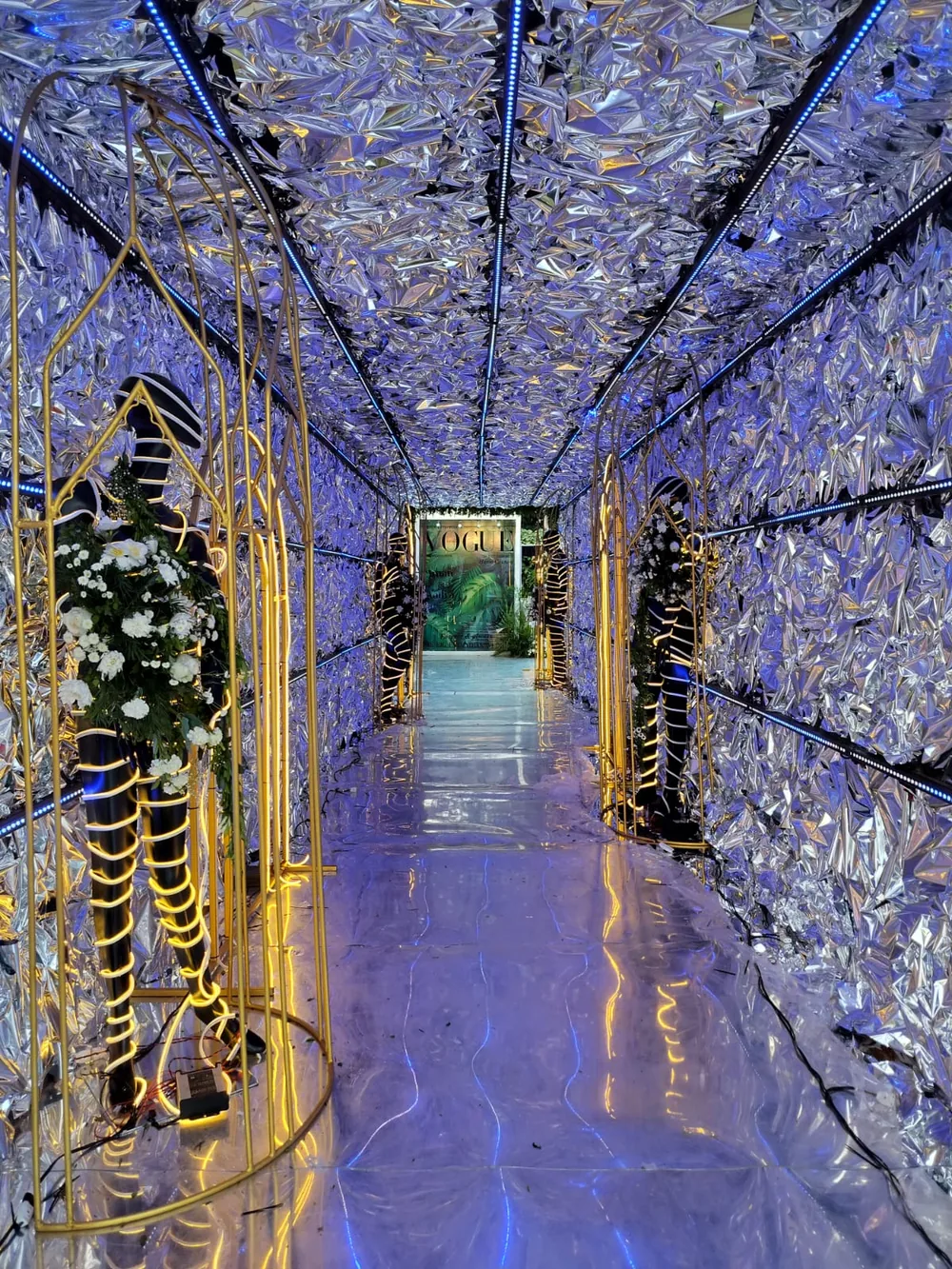
To choose a destination wedding planner, compare relevant executed work, the proposed design process, guest logistics and the people accountable for delivery. Ask each team to respond to the same brief. A portfolio photograph shows a result; a clear proposal explains what that team will do for your own celebration.
Send the same brief to each team
If you are choosing between Bangalore, Goa and Kerala, tell each planner what is still open. Give the likely dates, function list, guest count and room requirements, then say which decisions you want help making. A proposal for a confirmed hotel wedding cannot be compared fairly with a proposal that includes finding the destination.
Add what matters most to you in ordinary language. Perhaps everyone should stay together, the ceremony needs a particular arrangement, or you want to review design decisions from overseas. These priorities help a team explain its approach. A page saying “best destination wedding planner” cannot answer those questions on its own.
Look for relevant work, then ask about the role
Choose a few projects that resemble the work you are commissioning. A beach ceremony, a garden wedding and a ballroom reception present different design and delivery questions. Ask what the team actually handled in the photographs: design, fabrication, installation, planning, guest hospitality or a defined production role.
Panigrahana’s website includes executed work and clearly labelled design studies. The studies help explain how a space can be considered in plan and in three dimensions. Retrospective studies are not original client approval drawings. When comparing teams, distinguish an actual event photograph, a proposed render and a reconstruction made later to explain a design.
Ask to see one decision developed
Pick an element such as the ceremony backdrop and ask how the team would take it through the design process. A moodboard establishes references and colour. A 2D plan shows its position in the venue. A 3D view helps you review height and appearance. The cost and material list should connect those images to what will be supplied.
At Panigrahana we make layouts and 3D mockups, and we give line-item costing. Our warehouse and in-house inventory support production alongside our artisans, welders and carpenters. Discuss the particular work your celebration needs. Ask which existing items suit the brief and which elements require fabrication; neither answer is automatically better.
Compare delivery questions, not just photographs
Use a short written comparison with one row each for design, guest hospitality, venue coordination and the live event schedule. In every row, record the promised deliverable, the coordinating role and anything excluded. Leave a question mark where the proposal has not answered something. That is more useful than giving a team an arbitrary score.
For guests, ask who collects arrival information and follows up on changes. For the venue, ask who coordinates access for setup. For the function itself, ask who controls the agreed sequence and communicates an updated start time. Do not assume a large-looking team photo confirms the staffing assigned to your date.
Check how decisions will reach the people doing the work
If your family lives in different places, ask to see the method for reviewing and closing decisions. Panigrahana’s couple portal keeps planning information accessible between meetings. The demonstration uses sample information; your own plan depends on the work agreed for your booking. Ask how the final approved version reaches the installation and coordination teams.
Before appointing a planner, review the proposal against the brief you sent. Confirm the functions and locations covered, the financial scope and the unresolved decisions. Request clarification where an attractive promise has no defined deliverable. Bring a shortlist of executed work you like to the discussion, together with what you want to change for your own wedding.
Questions couples ask
Should we choose a planner only because they have worked at our venue?
Relevant venue experience is useful evidence, but also review the proposed scope, design process and delivery responsibilities for your own booking.
What can we review before travelling to India?
You can discuss the brief, executed work, layouts, design views and scope remotely. Actual site conditions still need to be verified locally by the responsible team.