Wedding Flower Substitutions: What to Agree Before Ordering
Keep wedding floral changes clear: record the intended look, acceptable substitutes, approval deadline and price treatment before flowers are ordered.
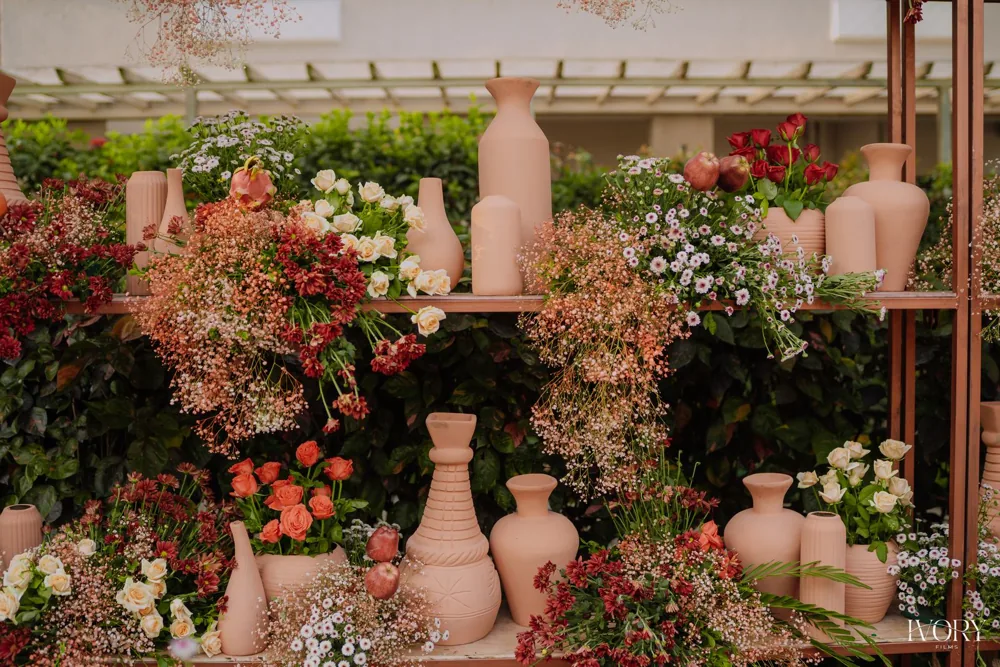
Before ordering wedding flowers, agree the colour, shape and coverage you are approving, acceptable alternatives, who can approve a substitution and how any price change will be handled. “Similar flowers” is too vague when the arrangement is a major part of your design.
Describe the feature you are paying for
A reference arrangement may appeal because of its silhouette, a particular flower, dense coverage or the way it frames a face. Name that feature first. If the exact bloom matters, say so. If the colour and shape matter more, the florist has a different brief.
Split a large installation into visible components: frame, foliage, focal flowers, filler, hanging elements and lighting. Ask whether each is fresh, dried, preserved, artificial or a mixture. Those words should describe the actual proposal, not the photographs on a moodboard.
Make alternatives part of the first proposal
Ask the florist which selections remain subject to procurement and when they can confirm them. Natural materials vary, and a general flower-season list cannot establish what your supplier will obtain for your date and location. Agree a review point before the order becomes difficult to change.
Create a short list of acceptable alternatives for the pieces that matter most. A replacement should be considered for colour, form, scale and placement together. A flower of roughly the same colour can still make a loose arrangement look dense, or a structured arrangement look soft.
Separate a material change from a design change
Replacing an unavailable bloom within an agreed palette is different from reducing the coverage of a mandap. If the proposal changes the number of arrangements, the dimensions, or the visible mix of fresh and artificial material, request an updated design and price.
Avoid an approval that simply says “okay” beneath a long set of messages. Identify the affected function and installation, the replacement and whether other approved details remain as specified. Save the revised version where the production lead can find it.
Use a substitution register
| Field | Example of what to write |
|---|---|
| Installation | Ceremony aisle arrangements; name the exact location |
| Approved appearance | Colour family, silhouette and coverage reference |
| Material status | Fresh, artificial or mixed; list the visible components |
| Permitted alternative | Supplier-proposed option, with photograph or sample |
| Approval owner | Named person and a backup contact |
| Commercial treatment | Revised amount or written confirmation of no change |
| Order deadline | Date by which the supplier needs a decision |
Decide what happens when the approver is asleep
For families abroad, a procurement question can arrive in the middle of the night. Choose a local backup approver and define the limits of that role. They may be allowed to approve an already-listed substitute but not a new palette or an increased budget.
If no approved alternative is available, the supplier should know who to call and what must remain pending. This is more useful than expecting the couple to follow every message during travel, ceremonies or work meetings.
Review the installed result against the current brief
Give the site lead the final reference and substitution record. Ask for photographs of the important installations before guest entry, including a wide view and a closer material view. These are for checking delivery, not for proving that every stem matches a photograph exactly.
If something differs, describe the difference and its location so the team can respond. After the event, reconcile any agreed credit or additional charge against the written change record. Keep the original proposal as well as the revised one; replacing the old file removes the comparison.
Questions couples ask
Are artificial flowers always a downgrade?
No. The relevant question is what was agreed, where the material will be seen and whether the result suits the brief. State the fresh and artificial components openly in the proposal.
Does a substitute have to cost less?
Not necessarily. Ask for the commercial effect of the specific change. A different material can also change procurement, preparation and labour.
Can we request no substitutions?
You can ask the supplier to price and confirm that requirement. Also agree what happens if the specified material cannot be obtained, rather than leaving the decision unresolved until installation.